- New
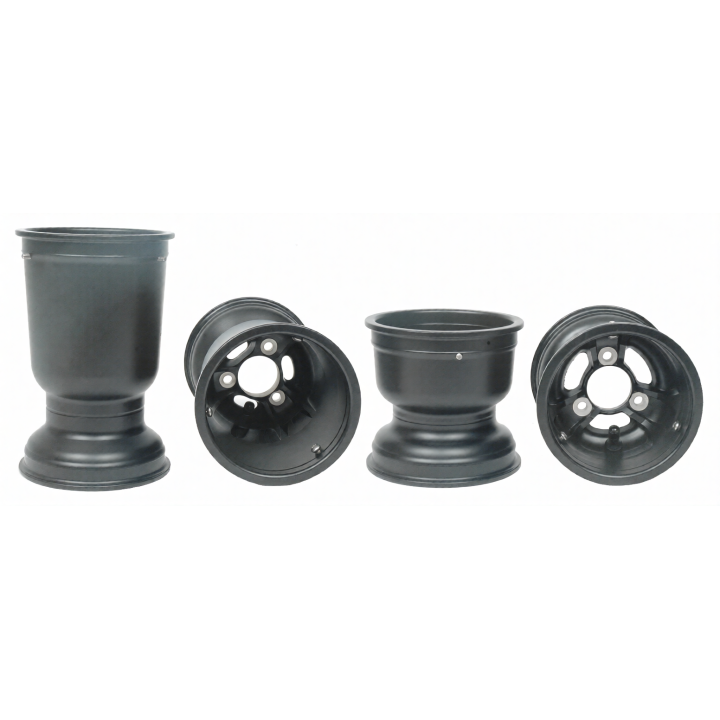
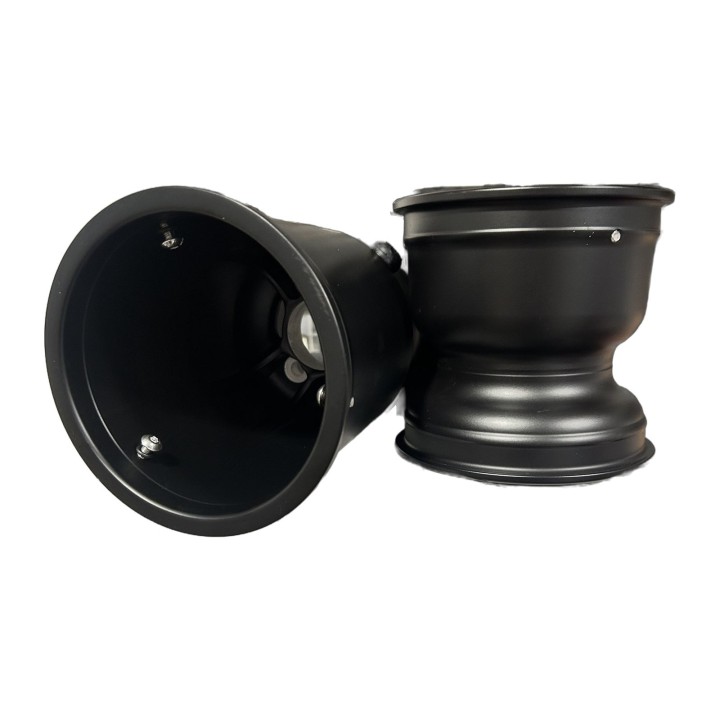
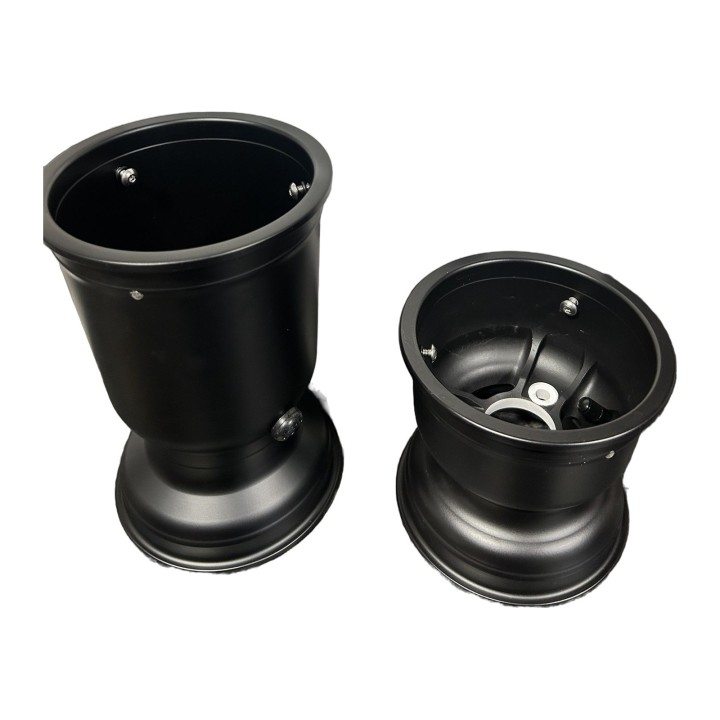
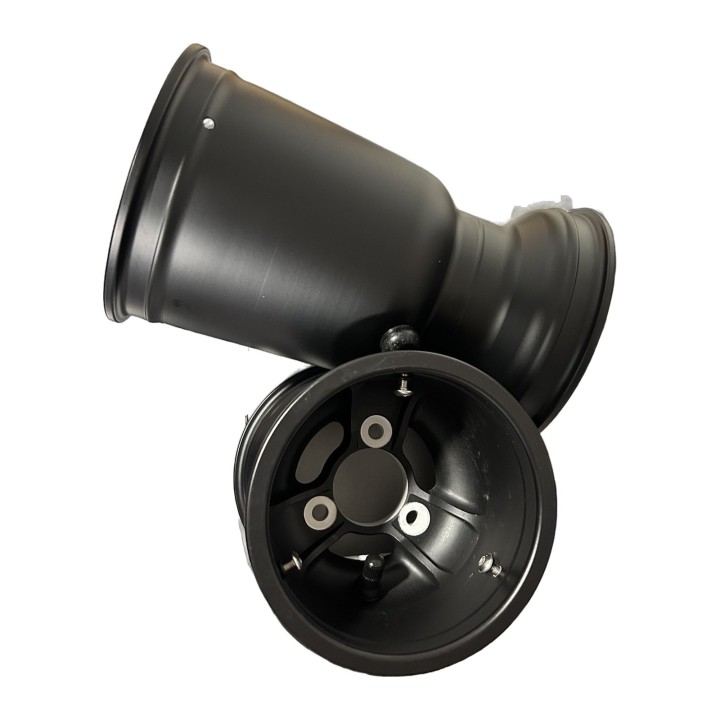
MAGNESIUM WHEELS VLV 130/212mm Cobra images
MAGNESIUM WHEELS VLV 130/212mm Cobra
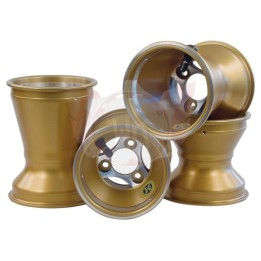
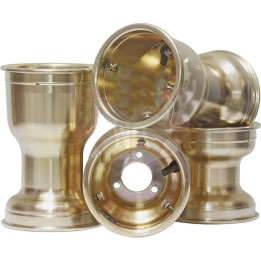
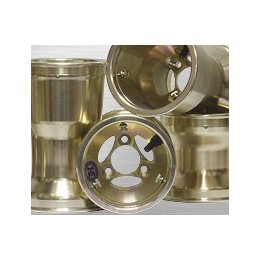
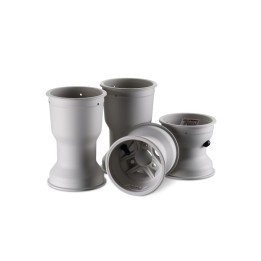
Complete set of 4 Cobra VLV magnesium wheels: 2 front in 130 mm, 2 rear in 212 mm. The low internal volume means pressure rises faster, so the tyre reaches its working window in fewer laps. Matt black finish, valves fitted. Shipped within 24 h.
What VLV means
VLV stands for low volume. On a conventional rim a large pocket of air sits between the rim well and the tyre carcass. A VLV rim reduces that volume. The direct consequence: for the same heat input, pressure rises higher and sooner. The tyre reaches its working window in fewer laps.
That is a clear gain in three situations: short heats where there is no time to bring the rubber up, cold sessions, and hard compounds that need temperature to work. Conversely, over a long race in high heat, low volume calls for a lower cold starting pressure — otherwise the final pressure overshoots the target.
Why magnesium
Magnesium is lighter than aluminium for the same stiffness, and it conducts heat better. Two effects on track: less unsprung mass, so the chassis reacts faster to load changes; and steadier heat removal from the tyre bead, so pressure settles instead of climbing without end.
The trade-off is maintenance. Magnesium does not tolerate prolonged damp or aggressive cleaning products. Rinsed and dried after every outing, it lasts for seasons.
Technical data
| Reference | C069S |
| Brand | Cobra |
| Set contents | 4 wheels (2 front + 2 rear) |
| Front width | 130 mm |
| Rear width | 212 mm |
| Diameter | 5 inch |
| Material | Magnesium |
| Internal volume | Low volume (VLV) |
| Finish | Matt black |
| Fixing | 3 holes |
| Valves | Fitted |
| Set weight | 3 kg |
What the set contains
- 2 front wheels 130 mm
- 2 rear wheels 212 mm
- Valves fitted
- Fixing hardware in place
Michel s tip (the mechanic s corner)
First outing on VLV rims: drop your cold pressure by 0.1 to 0.2 bar compared with your usual settings. The volume is smaller, so the same amount of heat raises pressure more. Start from your conventional-rim figures and you finish the heat over-inflated, the tyre rides on its centre band and you lose the front end.
Do not overtighten the three screws. Magnesium is soft; strip a thread and the wheel is scrap. Tighten in a star pattern, by hand, firm but with no bar on the wrench.
Grease the tyre bead when fitting, never the rim well. A greasy rim well and the tyre turns on the rim under braking — you tear the valve out.
Fitting guide
- Fully deflate the old assembly and break both beads.
- Remove the old wheel from the stub axle or rear axle and clean the mounting face.
- Check the new wheel: no impact on the flange, valve properly tight.
- Grease the tyre bead with mounting paste, not washing-up liquid.
- Fit the tyre, preferably with plastic levers on magnesium.
- Inflate in one go to 2 bar to seat the beads, then come back down to working pressure.
- Refit the wheel and tighten the three screws in a star pattern, without forcing.
- Check for run-out by spinning the wheel by hand before going out.
Frequently asked questions
Are VLV rims allowed in competition?
Low-volume rims are free under most national regulations. Check your class rules: some one-make formulas require the original wheel.
Can I mix VLV front and conventional rear?
Technically yes, but you unbalance the pressure build-up between the two axles. We do not recommend it.
What starting pressure?
Between 0.1 and 0.2 bar below your usual cold figures, then adjust from your hot pressure readings.
Does magnesium corrode?
Yes, if it stays damp. Rinse with clean water, dry, store dry. The wheels are lacquered, but a chip exposes bare metal.
Does the finish last?
The matt black is baked on. It marks from stone chips like any painted wheel, no more than that.
-
Brand

-
ReferenceC069S
-
In stock1 Item