Français
 English
 Deutsch
 Espagnol
 Italiano
 Portuguès
 ελληνικά

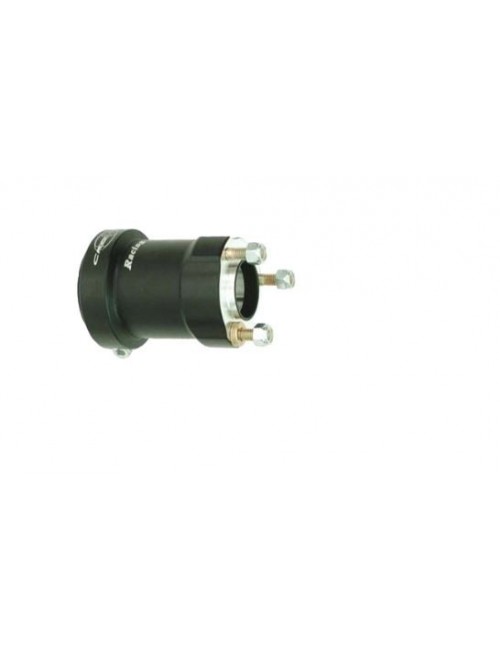
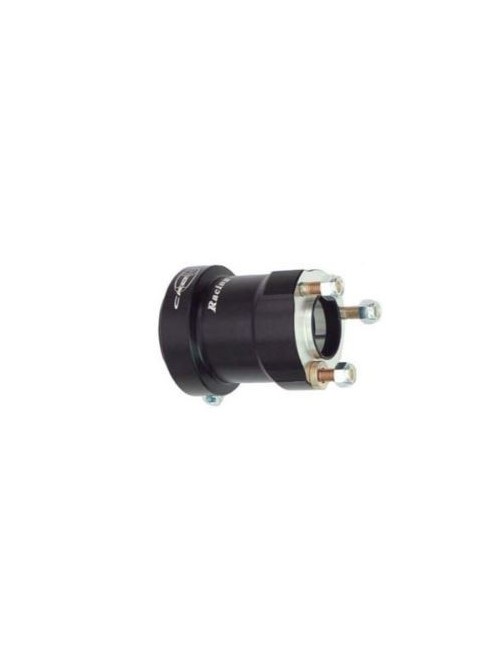
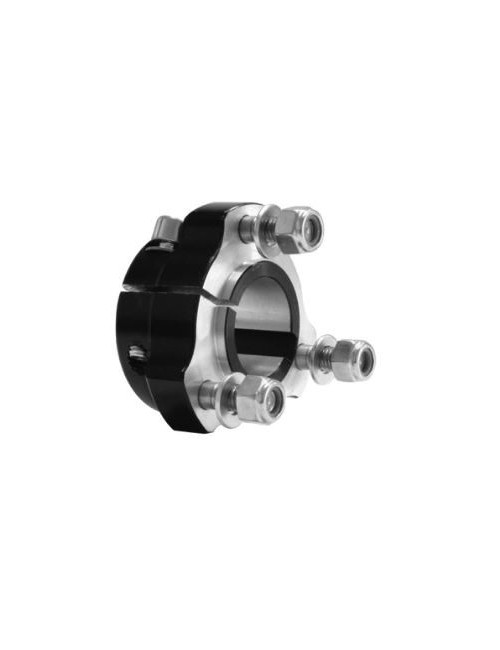

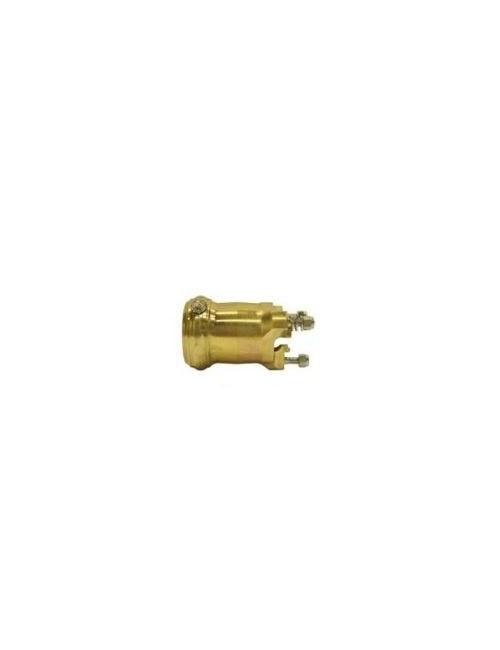
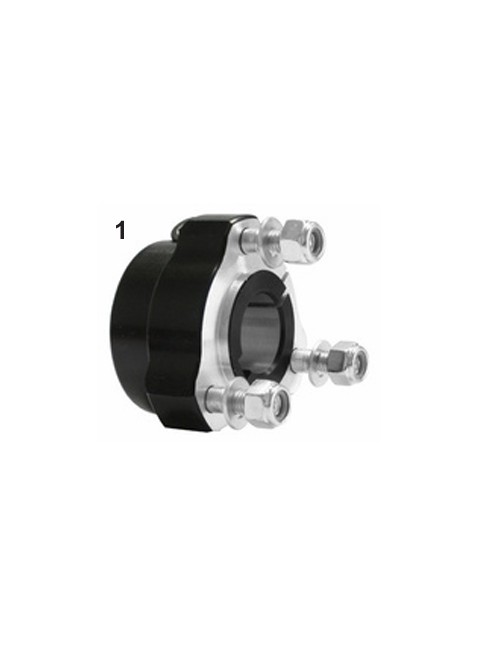
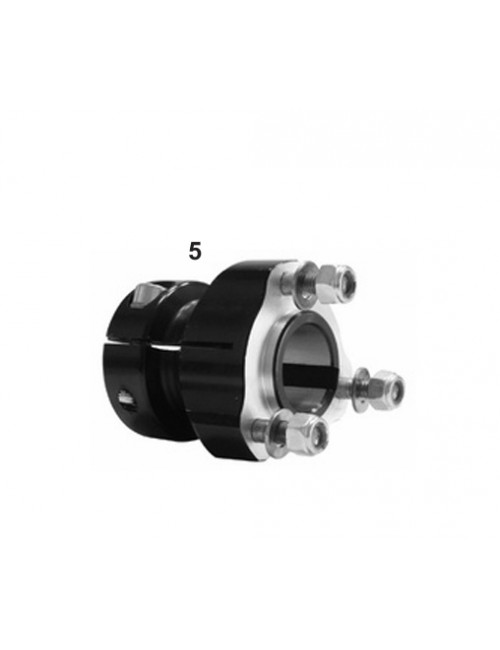
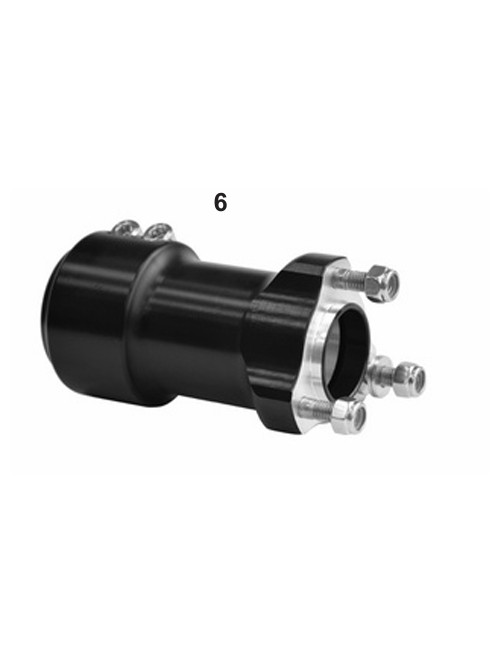
The wheel hub is the critical interface between your kart axle and the rim. In the categories Mini, cadet or bambino (using 25 mm axles), the rigidity and accuracy of mounting the hub are capitally. This model CRGIn black anodized aluminum, offers excellent torsion resistance while remaining lightweight, ensuring efficient power transmission and good handling.
In karting, the choice of the length of the hub (here 75 mm) directly influences the leverage exercised on the axle. A longer hub (75 mm versus 40 mm) changes the rear train rigidity and expands the path without necessarily using spacers. For the mini / cadet categories (25 mm axle), it is a centerpiece to find the good compromise between grip (adhesion) and curve passage speed.
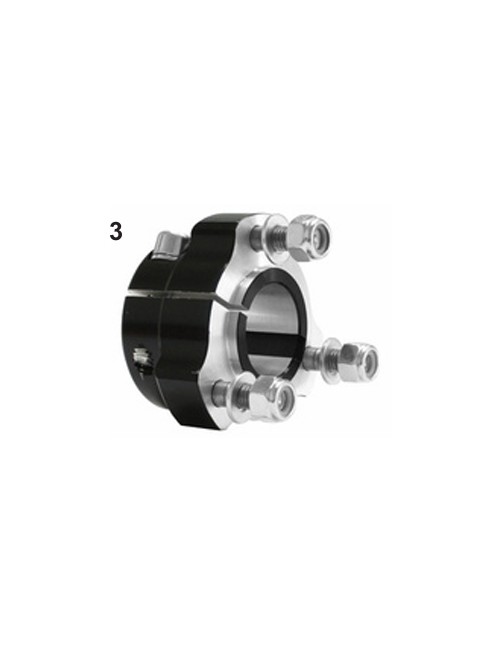
The hub of 35 mm long is considered a "short hub". In karting, The choice of hub length is a fundamental adjustment tool:
Short hub (35 mm): It offers less contact surface with the axle than models of 75 or 90 mm. This usually allows to have a "freer" behavior of the rear train, Helping the chassis to be free from curve, Ideal on tracks with a lot of grip (adhesion).
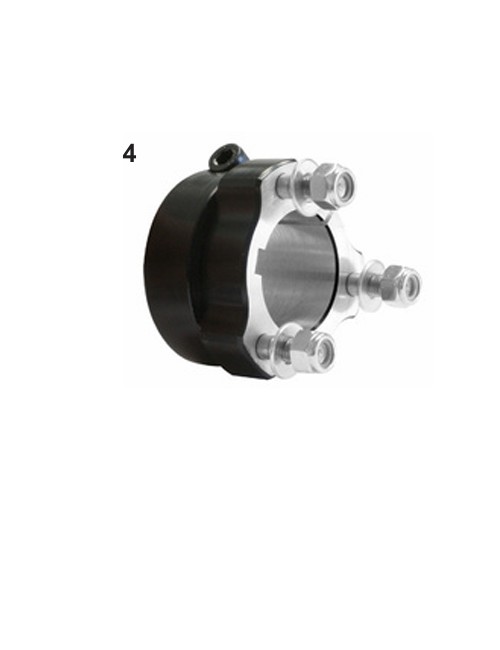
The hub of 40 mm long is often considered the "standard" or "versatile" value on adult karts equipped with a 30 mm (x30, axle, Rotax, Kz, ok). Unlike very long (75-90mm) hubs that considerably rigidify the rear, or the very short (35mm) that fully freed the chassis, the 40 mm Offers neutral and healthy behavior, ideal for starting a setting session before refining.
In karting, switching from a standard hub (40 mm) to a longer hub (75 mm) is a common technique for adjusting geometry. The 75 mm allows:
Raise the back path Without adding spacers (the hub itself makes the wheel bears later).
Increase side rigidity: The lever arm being longer, it exerts a more direct stress on the axle, which helps to load the outer rear wheel in turn further.
Improve motor skills: This is the ideal setting if you feel that your kart is missing "grip" out of curve.
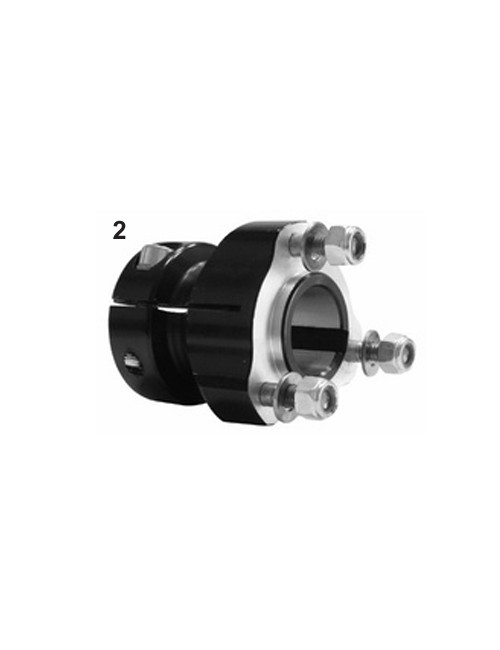
With its 125 mm longThis hub is designed for configurations requiring significant wheel offset or increased rear train rigidity.
The axle 40 mm: Standard on some club chassis or specific categories, it requires hubs suitable for this diameter.
The length 125 mm: It's a "long" hub. It offers colossal support. It is ideal if you need to load the rear axle for more moving output or to expand the track without spacers.
This hub is not a simple accessory. Unlike aluminum versions, the magnesium offers two major benefits in competition:
Lightness: Reduction of non-suspended masses, which facilitates the rotation of the axle and improves the vivacity of the kart.
Thermal management: Magnesium is better dissipating the heat generated by the tires. This helps stabilize tire pressure during long races (eg KZ or endurance events), avoiding excessive overheating of the gum.
The length of 78 mm Offers an important lever arm, ideal for loading the back train and gaining motor skills.
The hub of 85 mm is a "long" adjustment room. In karting, the choice of the hub length is directly related to the leverage exercised on the axle:
Stability and Grip: With 85 mm, you increase the rigidity of the rear train and removing the load outward. This is the ideal tool for more moving output output or to expand your back path without stacking spacers (which weakens the assembly).
R2.0 version: This name indicates an evolution of design at CRG (best machining, optimized weight and anodized finish "Gold" for higher resistance to corrosion).
The 95 mm in magnesium is an extreme room. This is not comfortable equipment, it is a precision tool for high-level drivers (KZ, OK, X30 senior categories).