 Français
 English
 Deutsch
 Espagnol
 Italiano
 Portuguès
 ελληνικά

POMPE DE FREIN BIRELART
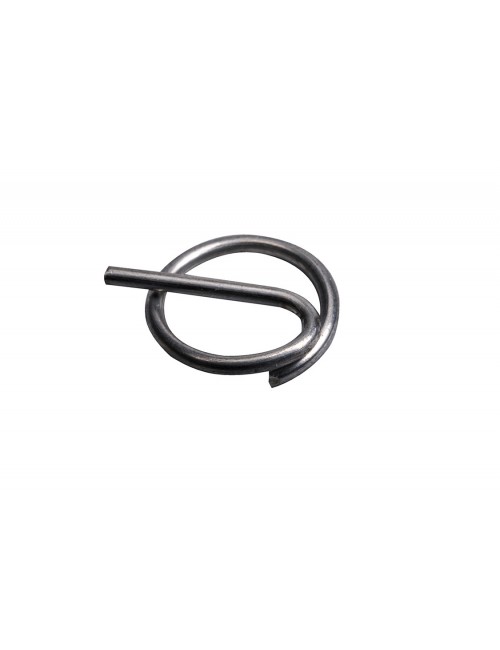

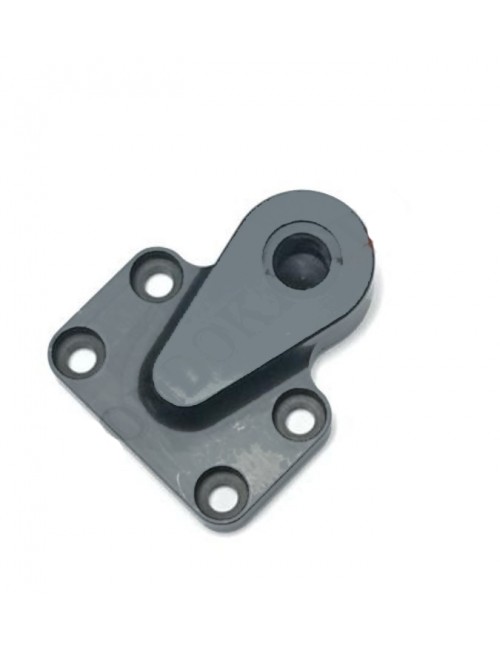
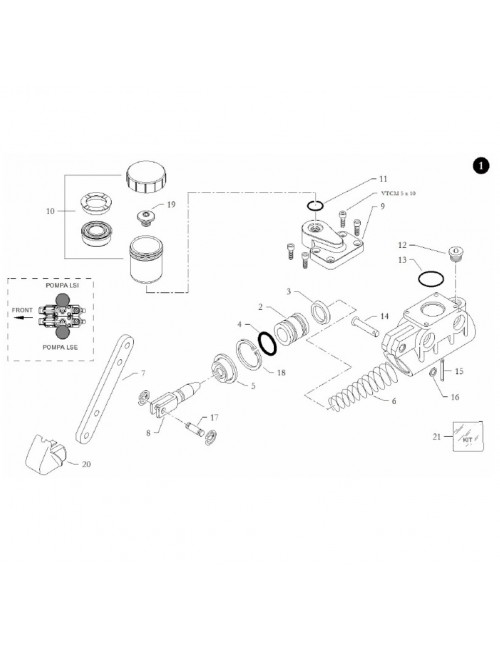
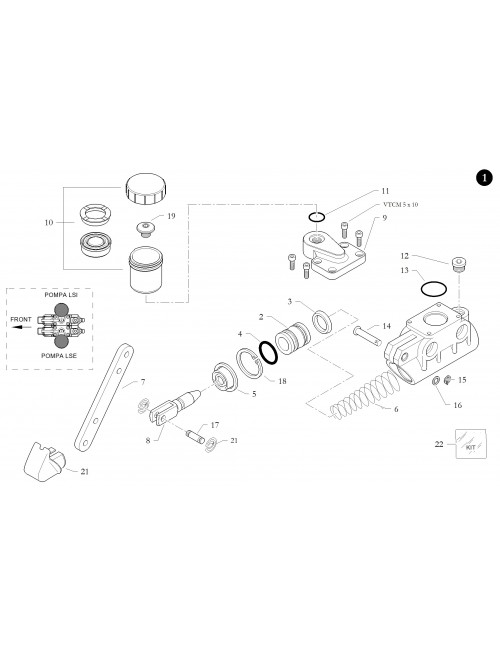
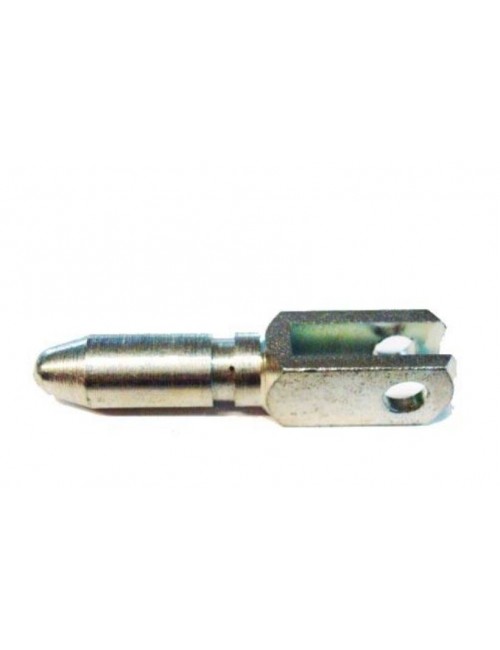
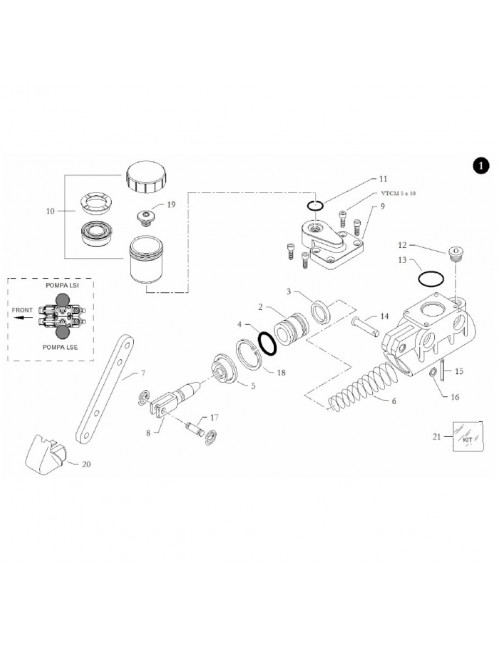
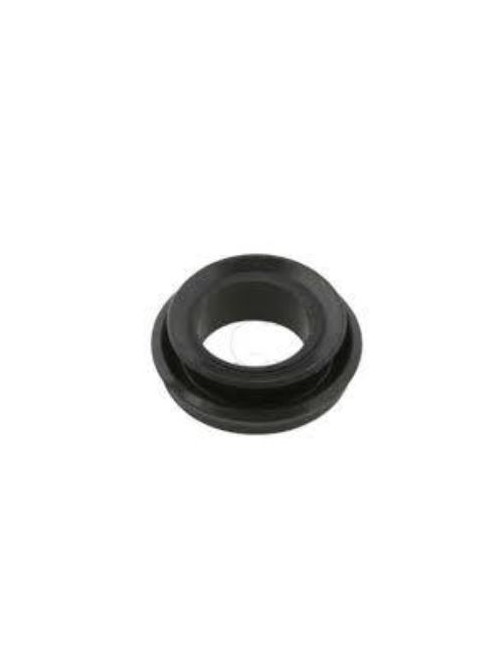
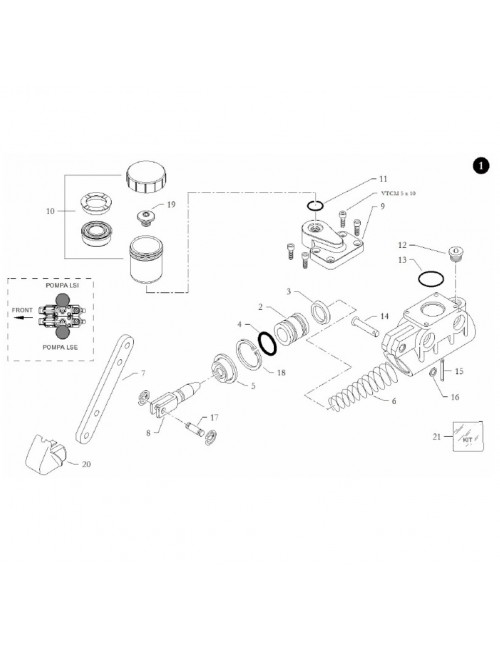
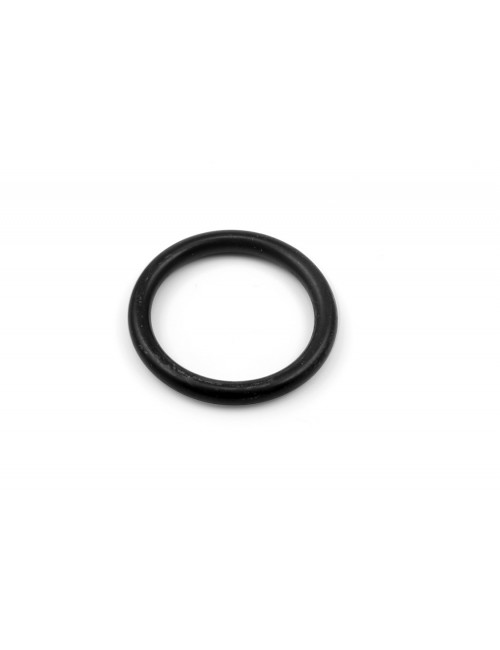
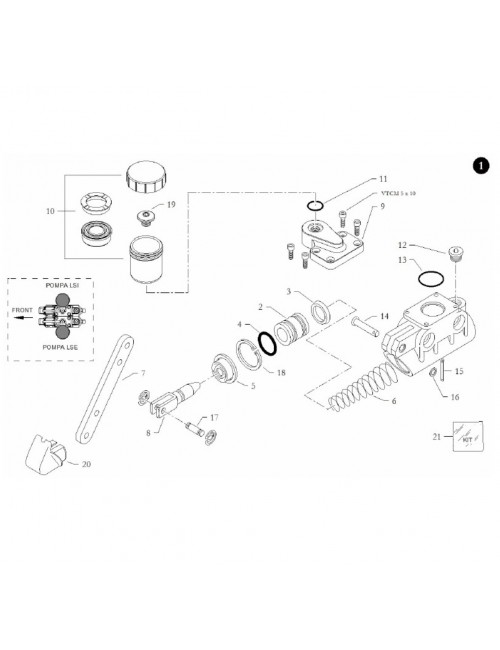
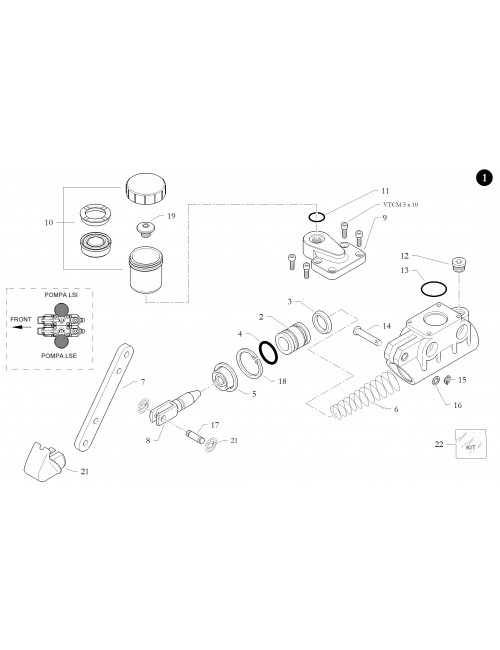
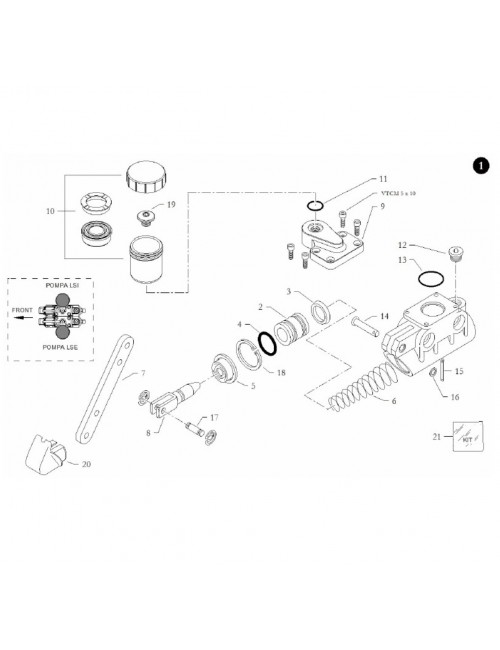
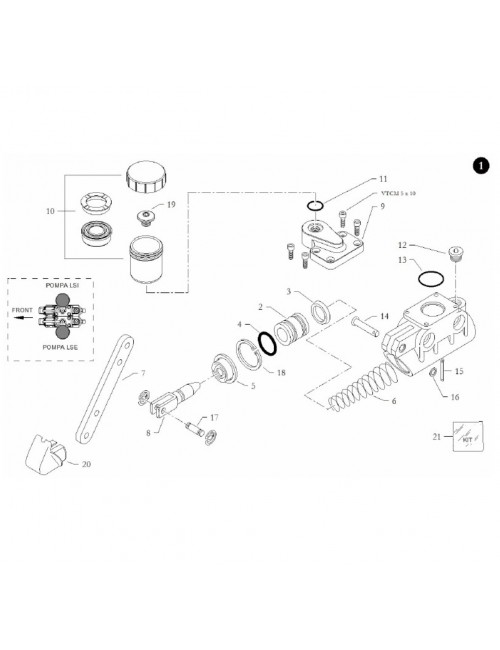
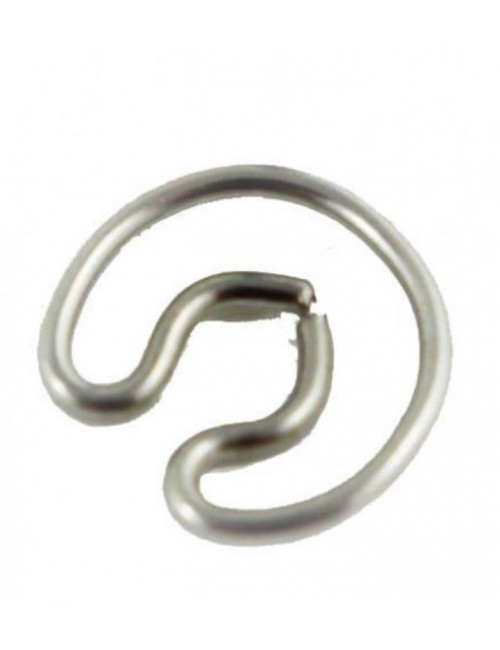
The Circlip Birelart is a critical safety piece for your braking system. Its role is to lock the axis that crosses the brake pads inside the stirrup. Without it, the intense vibrations of karting could slide the axis, resulting in the loss of the pads and a total braking failure.
Made of high quality spring steel, this "wire" circlip has a calibrated voltage to stay lodged in the throat of the axis, even under the most severe constraints encountered in competition.
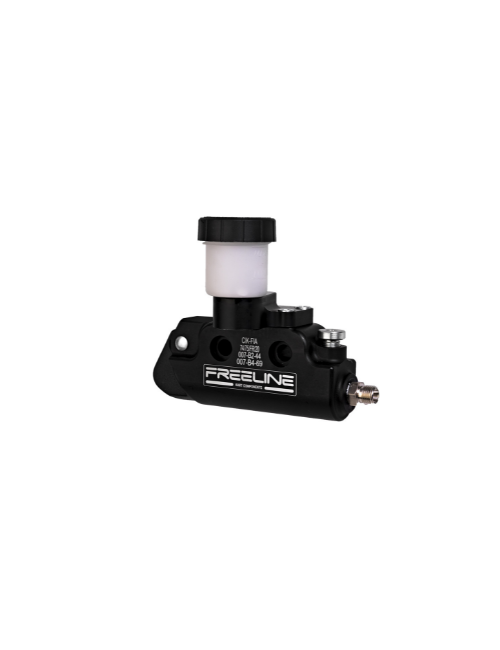
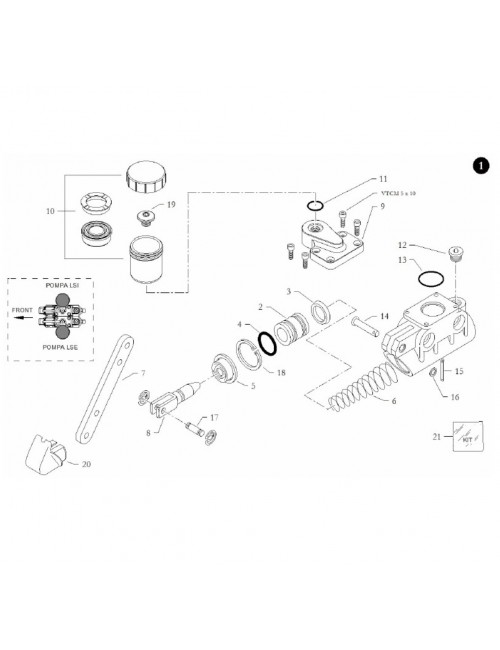
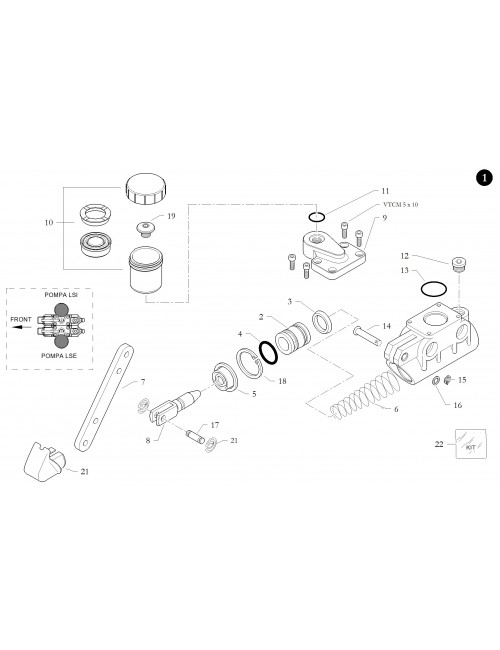
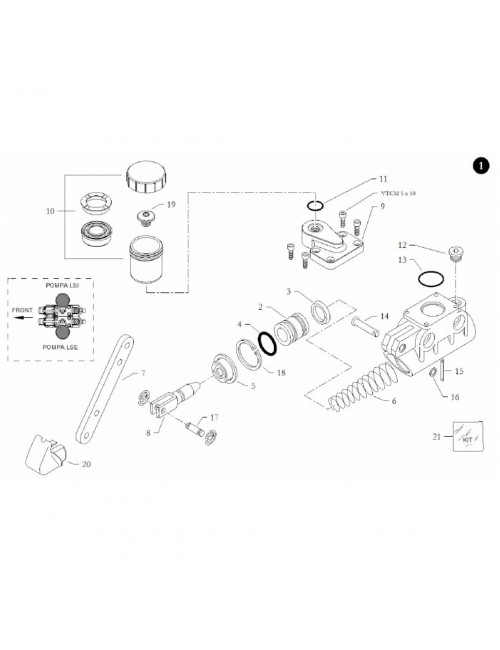
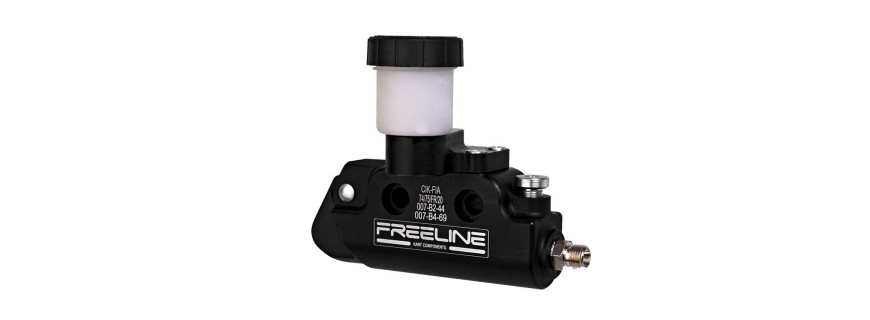
The FREELINE DIAM 22 brake pump complete Birelart - CL is an essential component for Karts, designed and manufactured by Birelart in Italy to provide optimal performance and increased durability. This brake pump is specially adapted for KZ or KF type karts and is compatible with Charles Leclerc, RicCardo, Kubica and LGK Birelart chassis. It is ideal for pilots seeking to improve the performance and reliability of their braking system.
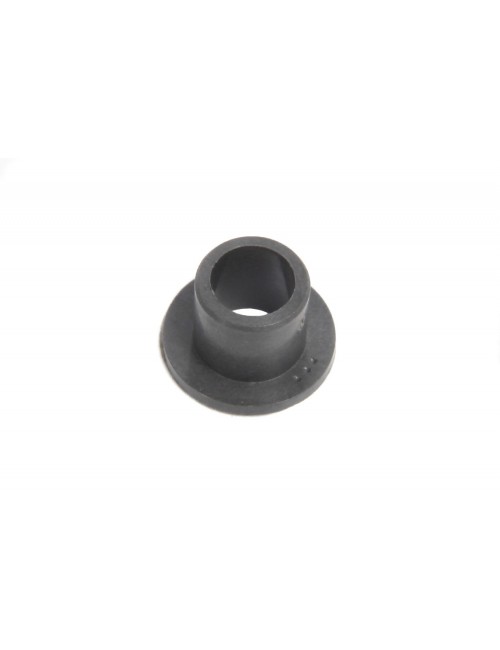
In your Birelart brake pump, this ring is the main pivot point between the control lever and the thrust rod. Its function is twofold:
Eliminate the game: It allows a "fat" movement without sidebeat. Without it, your brake pedal will have an unpleasant dead race ("blur" effect).
Self-lubrication: Generally composed of sintered bronze impregnated with oil, it is designed to operate "dry" or with a minimum of lubricant, thus preventing the premature wear of the steel pivot axis against the aluminum of the lever
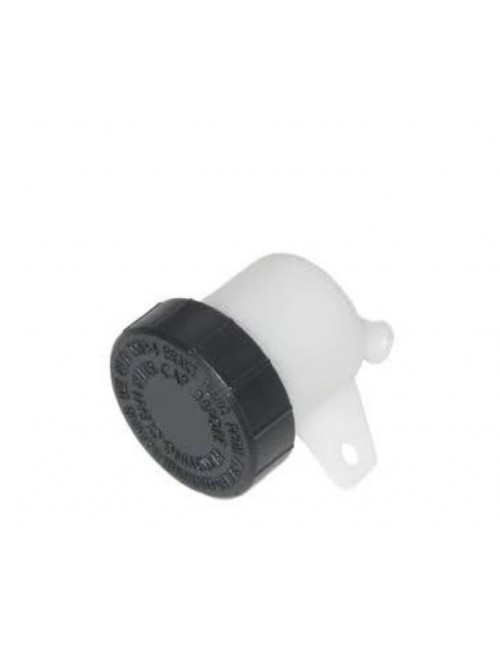
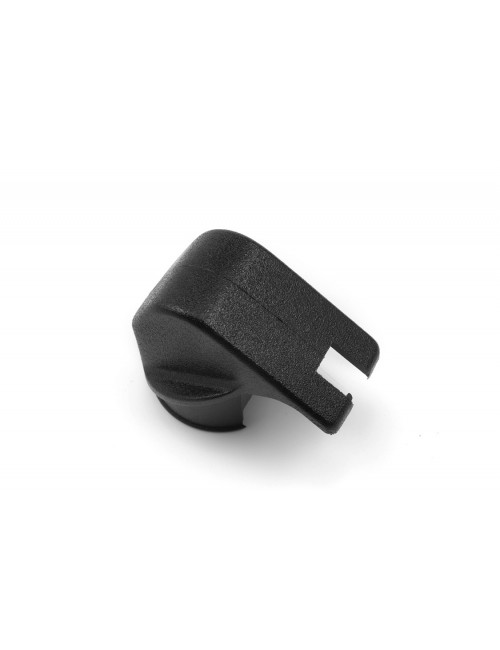
The 22SR pump cover fills three critical functions:
Protection against contaminants: The brake fluid (dot 4 or 5.1) is hygroscopic (it absorbs the moisture of the air). The lid, associated with its internal membrane, prevents water from polluting the fluid.
Level maintaining: It secures the tank against projections during major vibrations of the kart.
Management of depression: The internal membrane (often associated with the lid) allows the level of liquid to decrease as the platelet wear without creating a vacuum of air in the tank.
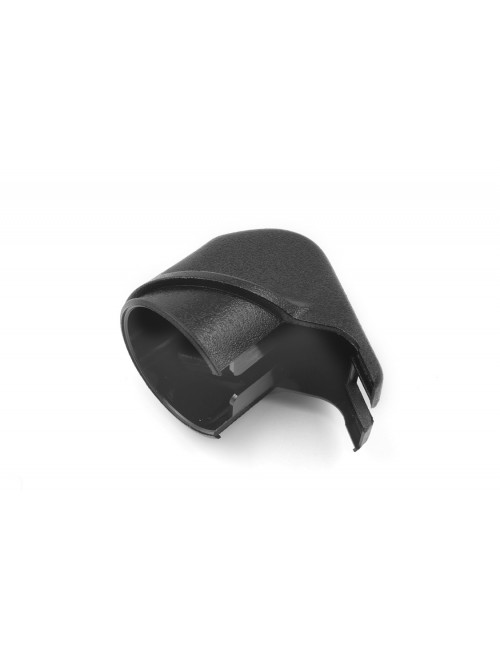
This cap (or bellows) is not just a piece of rubber. He plays a crucial role:
Anti-contaminant barrier: It prevents track dust, sand and water to enter the body of the pump.
Protection of the axis: If dirt enter here, they mix with fat, creating an abrasive paste that will scratch the piston and destroy your internal seals.
Maintaining the lubricant: It keeps the clean fat inside the mechanism of the thrust rod.
The cup (or lip seal) is a wear part. Its role is to transform the pressure exerted by your foot into hydraulic pressure into the pipes.
Symptoms of fatigue: "Spongy" pedal (which goes down to the floor), liquid leakage at the bellows (cap), or braking loss during high heat phases.
The material: These joints are EPDM (ethylene-propylene-diene monomer) to withstand the brake fluid. NEVER USE STANDARD JOINTS Hardware stores, they will disguise in a few minutes in contact with the liquid.
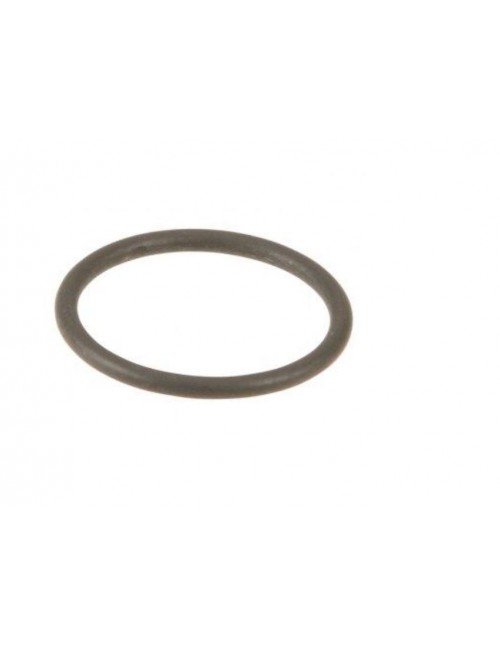
On a 22SRR pump, you find O-rings at different locations (tank hose entrance, fill cap, sometimes as guiding joints).
The most important point: The material. The seals used in hydraulic braking must imperatively be in EPDM (ethylene-propylene).
The danger: If you are using a "standard" O-ring (often in NBR / black nitrile bought in DIY store), it will swell, disintegrate and pollute your circuit in less than a few hours in contact with the Brake fluid DOT 4 /5.1.
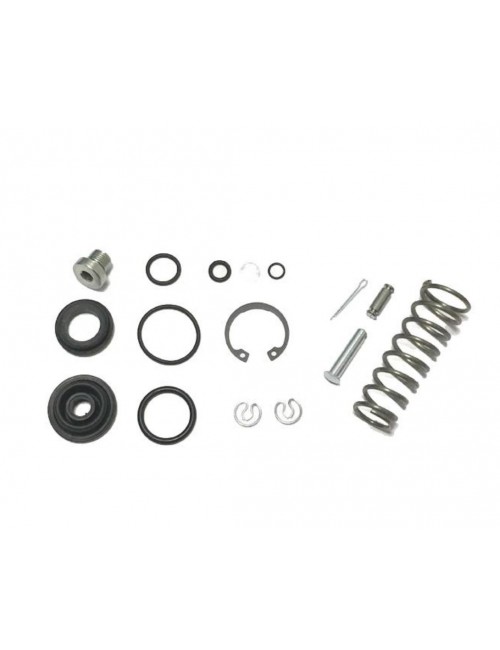
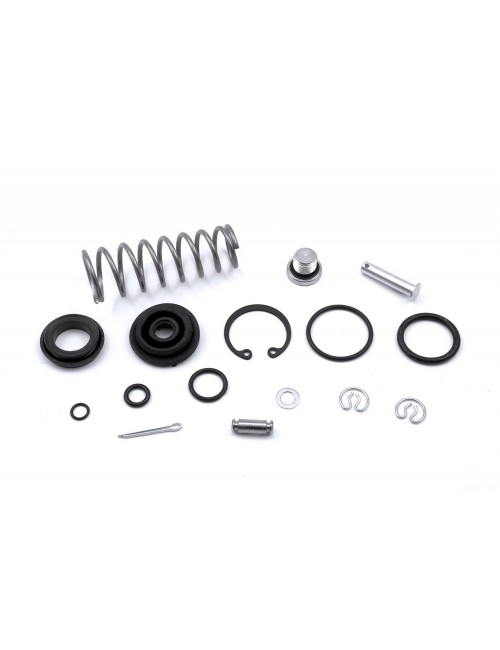
Do not replace the seals one by one if your pump is "spongy". The complete kit allows you to leave on a healthy basis.
Type content: The kit generally includes the piston, the primary cup, the secondary cup, the O-rings, the maintenance circlips and sometimes the protective bellows.
When to use it: As soon as you see a loss of constant pressure, an internal leak (the pedal drops gently under pressure), or after a long wintering where the liquid could crystallize.
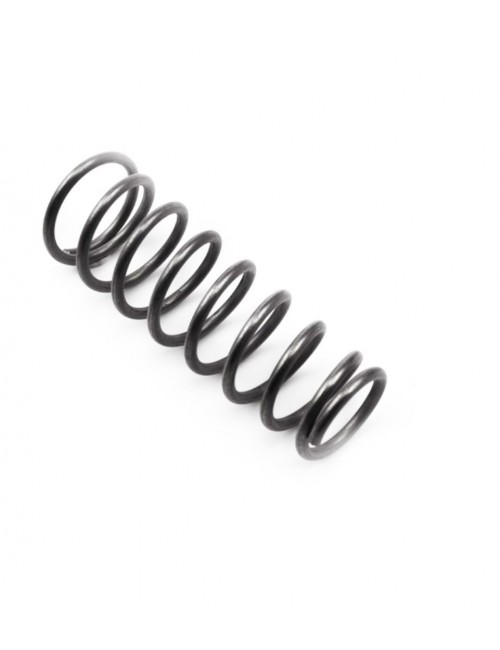
Although it is a simple room, the internal spring of the 22SR pump filled a major safety function:
Return of the piston: It guarantees that the piston returns to the "rest" position after each braking. If the piston does not return completely, the circuit does not fulfill correctly by the tank, creating a soft pedal or braking that "drag" (drives that heat).
Maintaining pressure: It ensures a constant pre-load for the joints (cups) remain in place.
Reactivity: It allows the pedal to go back immediately as soon as you relax the foot.