Summary: the importance of the fine step
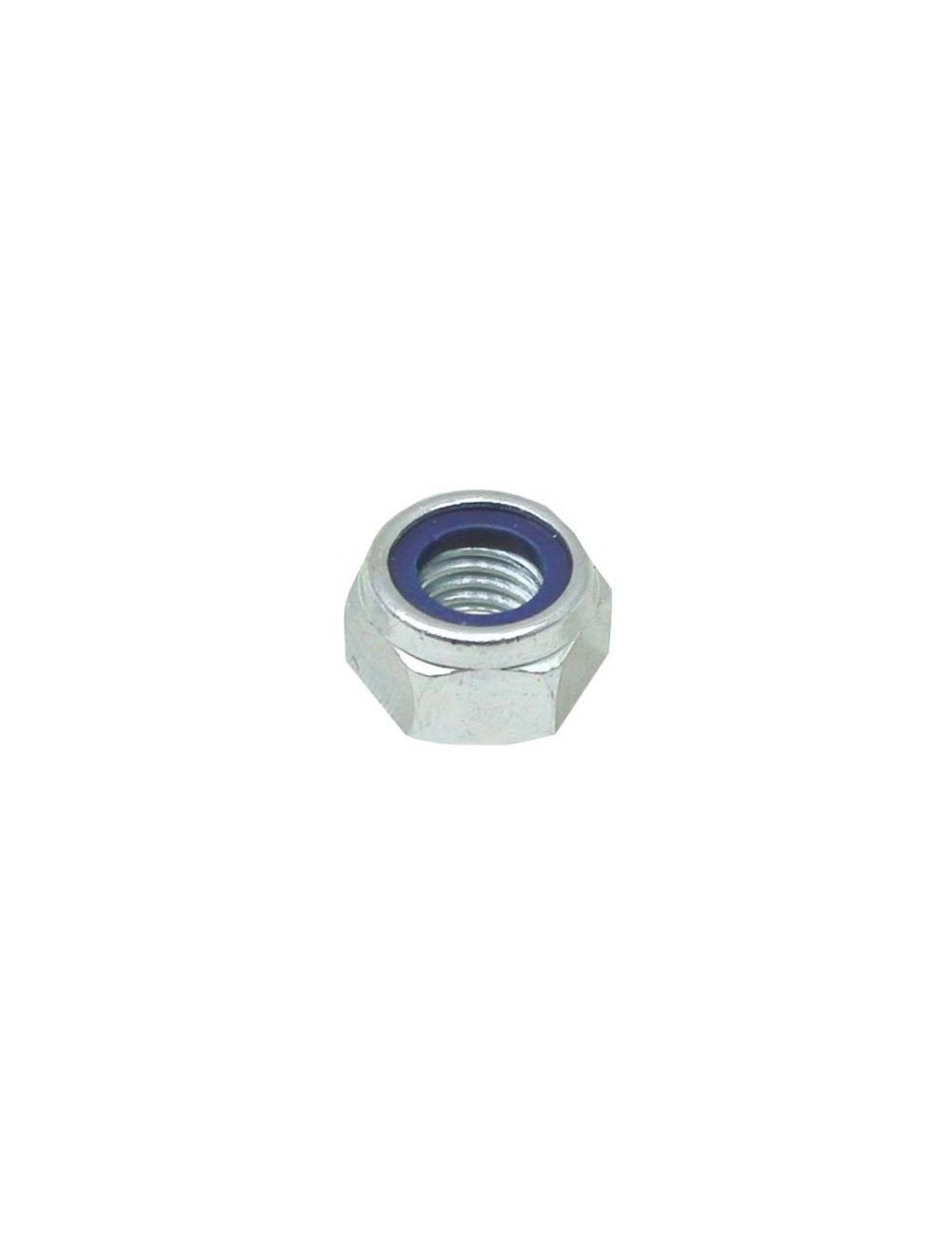
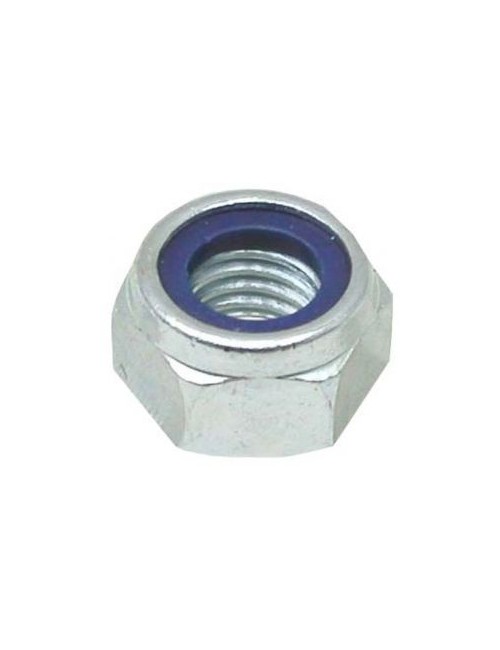
Unlike the classic "DIY" hardware that usually uses a big (standard) step, the nOT fine 1.50 is a technical imperative for mechanical elements subject to high vibrations. The fine step offers better natural self-locking, a more precise tightening torque and upper traction resistance. It is a critical safety piece that does not leave room for the approximation.
⚙️ Technical specifications
| Feature |
Specification |
| Nominal diameter |
14 mm (M14) |
| No screws |
1.50 mm (not fine) |
| Type |
Self-locking (with nylon ring - Nylstop) |
| Resistance class |
8.8 or 10.9 (Standard Méca) |
| Material |
Zincled steel / bichromaté |
| Use |
Roller Train, Direction, Engine Support |
- Sold by 2 nuts
🔧 Mounting Tuto: Security Rules
The assembly of a self-locking nut is not lightly.
-
Checking the thread: Make sure the threaded rod (axle or bolt) is perfectly clean and free from paint or rust.
-
Hand tightening: The nut must be able to screw itself by hand until the nylon ring comes into contact with the thread. If you need to use a key from the beginning, the thread is damaged: stop everything.
-
Tightening torque: Use a torque wrench. Nylon creates a significant friction; Do not confuse this resistance with the final tightening torque.
-
Single use (recommendation): The nylon ring is designed to deform once at clamping. After a disassembly, its self-braking power is considerably reduced. Never reuse a self-locking nut on a security organ.
💡 Michel's trick
"It's the room we all desperately looking for a Saturday afternoon when you have a reassembly to finish. The trick: When you buy these nuts, always take 4 or 6 at once. The unit cost is derisory, but the time lost to look for one when one is in full winding is invaluable. My Pro Council: If you mount this nut on a very exposed part to heat (near the exhaust pot), the nylon of the nut can melt. In this case, pass on 'all metal' nuts (braking by mechanical deformation) instead of the nylstop, because the nylon does not resist the high prolonged temperatures. "
❓ FAQ SEO (Frequently Asked Questions)
Q: How to differentiate a standard step of a fine step without meurer ?
A: Standard M14 step has a 2.00 mm net. If you are putting two M14 nutshore nuts by side, fine end (1.50) will have closer and more than the standard step. If in doubt, a thread gauge is essential.
Q: Why does not find this step 1.50 in large surface ?
A: The supermarkets favor the standard step (ISO) for the general public. The fine step is considered to the "specialized" hardware reserved for automobile centers, industry and in the middle of the competition where vibratory constraints require superior technology.
✅ Ready for your maintenance ?
These nuts are the last link of your mechanical safety. To finalize your assembly:
 Français
 English
 Deutsch
 Espagnol
 Italiano
 Portuguès
 ελληνικά







Product Comments
Your review appreciation cannot be sent
Report comment
Report sent
Your report cannot be sent