 Français
 English
 Deutsch
 Espagnol
 Italiano
 Portuguès
 ελληνικά

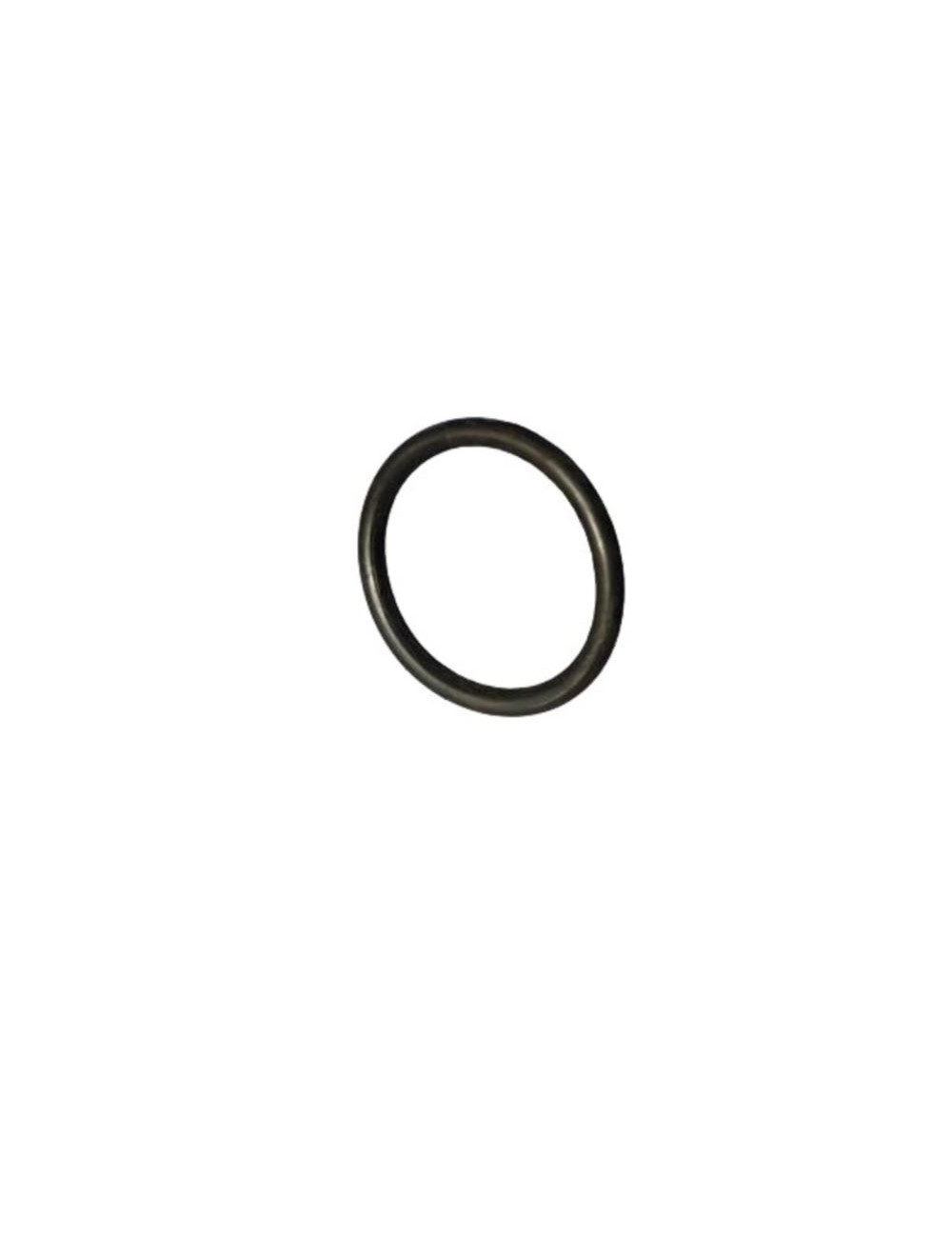

The Cylinder head gasket (Often called internal O-ring) is housed in the throat between the combustion dome and the cylinder (or cylinder head cover according to the versions). Its role is double and crucial:
Watertight to combustion: Prevent the gas burned under high pressure escape to the cooling circuit.
Liquid sealing: Prevent cooling water from seeping into the combustion chamber.
Made in Viton or high temperature polymer, it is designed to maintain its elastic properties despite extreme thermal cycles of the engine Kz-r1 / r2.
Thermal resistance: Unlike standard joints, the original seal supports the temperature tips beyond 200 ° C without melting or stiffening.
Specific calibration: Its diameter of torus (thickness) is calculated to provide perfect compression without being sheared during the tightening of the cylinder head.
Hydrocarbon resistance: Does not expand with the oil / gas mixture residues.
Reliability in the race: Avoid sealing breaks that cause overpressure in the radiator (the famous engine that "pushes water").
"The dome gasket is a single piece! My Pro Council: even if it looks good at dismantling, change it systematically. A seal that has already heated has taken a 'form' and never will never do its job properly after a second tightening. Small trick at editing: Apply a silicone grease tip on the seal to help stay in his throat while you're looking for the cylinder head. It avoids that it does not pinch or it jumps at the fateful moment where you return the dome! "
Cleaning: The gorgeous throat the seal must be perfectly clean, without any deposit of calamine or limestone.
Inspection: Check that there is no break on the new seal before laying.
Tightening: A nine dome gasket requires a cylinder head tightening to the recommended torque ($ 10-12 $ Nm) to ensure uniformly needed crushing.
Brand: TMKART (original room).
Material: High performance fluorinated rubber.
Compatibility: TM KZ10, KZ10B, KZ10C, KZ-R1, KZ-R2.
Position: Internal (around the combustion chamber).
Certified TMKART: The warranty of a room that will not let you go in the final.
Standing stock: We know it's a current consumption room.
Fast shipment: Order today, go back tomorrow!
Note Magickart: If you change the internal seal, do not forget to also check the External O-ring (The one who goes around the cylinder head cover) for a complete and serene revision.
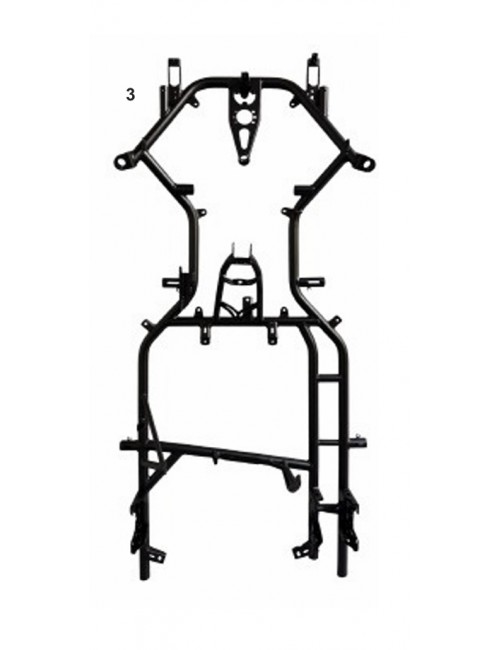
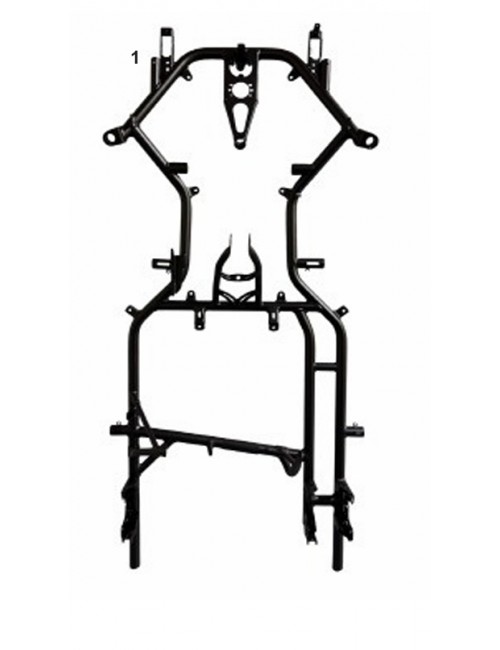
The CRG Kt2 is the versatile chassis par excellence of the Italian manufacturer. Unlike the Rébec Road (more rigid), the KT2 uses a frame compound full of tubes of 30 mm in diameter. This architecture offers controlled flexibility, ideal for freeing the engine in categories without gearbox like the OK, Iame X30 or the Rotax Max.
Its geometry allows fast adaptation to all track conditions (high grip or green track "). Featuring the last components of the range CRG RacingHe combines exceptional motor skills at a surgical front train accuracy.
The CRG KT2 2026 Version Kz redefines the standards of the Queen category. While the Road Rebel (32mm) remains the choice for the tracks with very high grip, the KT2 in 30mm Has become the favorite weapon of Kz pilots looking for more agility and ease in the support changes.
For 2026, CRG Reworked the composition of chrome-molybdenum steel to provide a better response from the front train during degressive braking. This KZ version stands out for its localized structural reinforcements and its integral front / rear braking system, essential to stop the power of 50 horsepower engines
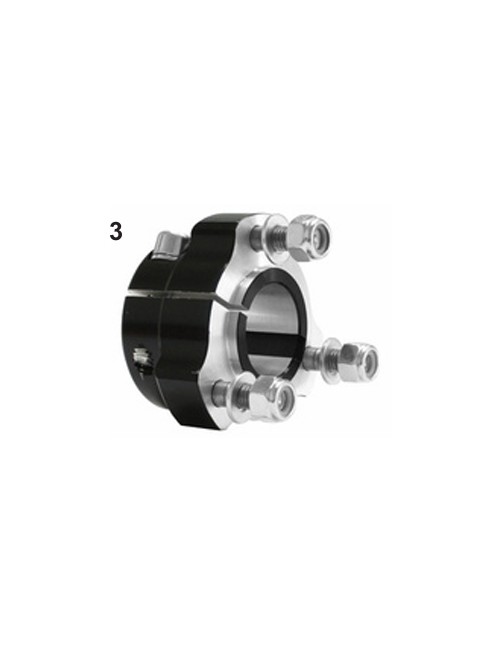
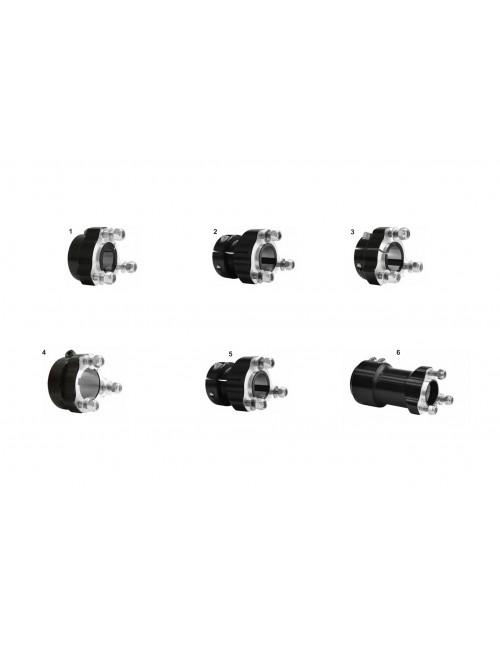
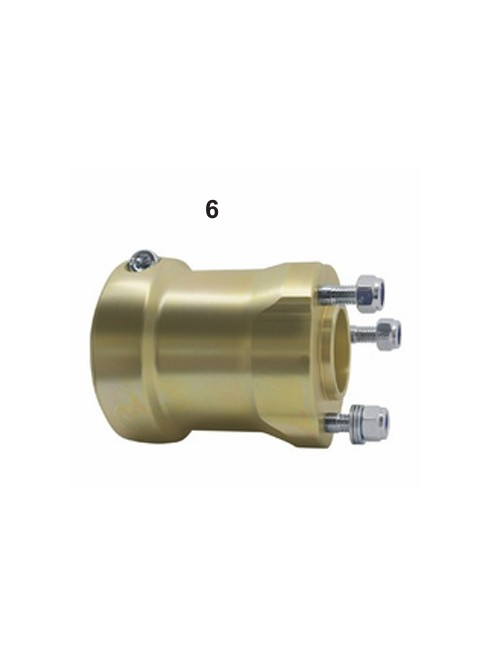
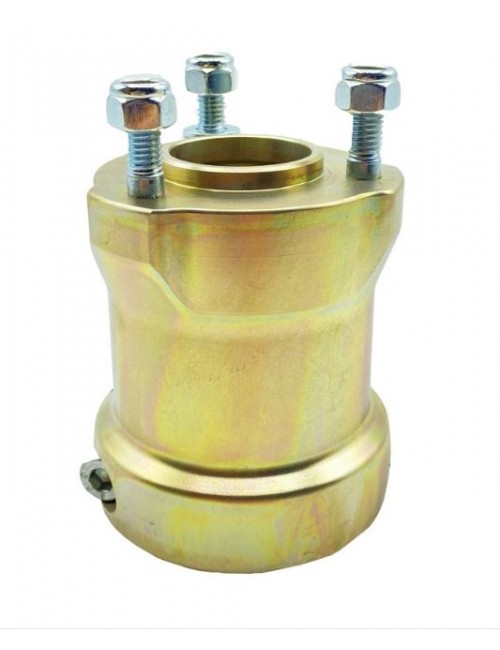
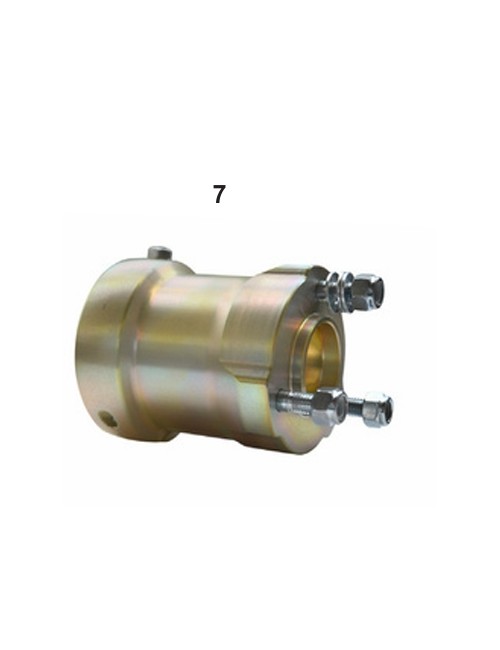
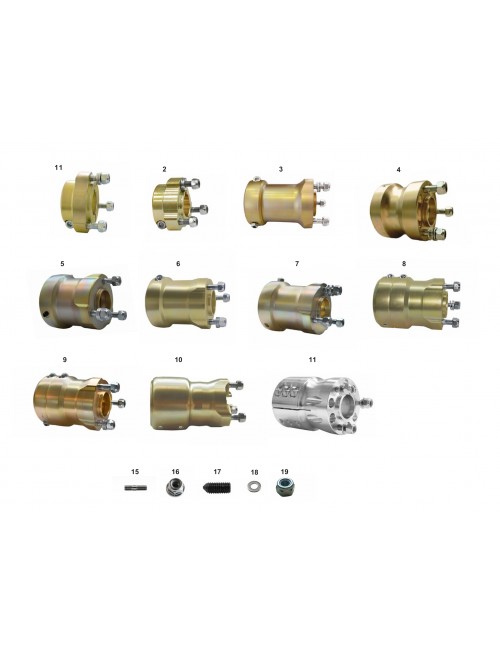
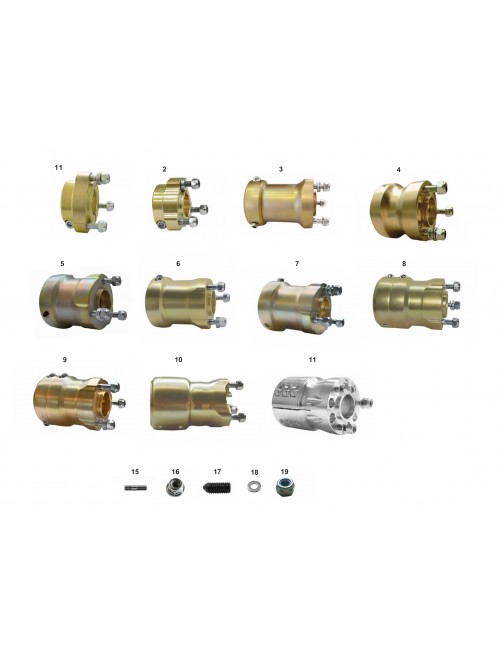
The hub of 35 mm long is considered a "short hub". In karting, The choice of hub length is a fundamental adjustment tool:
Short hub (35 mm): It offers less contact surface with the axle than models of 75 or 90 mm. This usually allows to have a "freer" behavior of the rear train, Helping the chassis to be free from curve, Ideal on tracks with a lot of grip (adhesion).
The hub of 40 mm long is often considered the "standard" or "versatile" value on adult karts equipped with a 30 mm (x30, axle, Rotax, Kz, ok). Unlike very long (75-90mm) hubs that considerably rigidify the rear, or the very short (35mm) that fully freed the chassis, the 40 mm Offers neutral and healthy behavior, ideal for starting a setting session before refining.
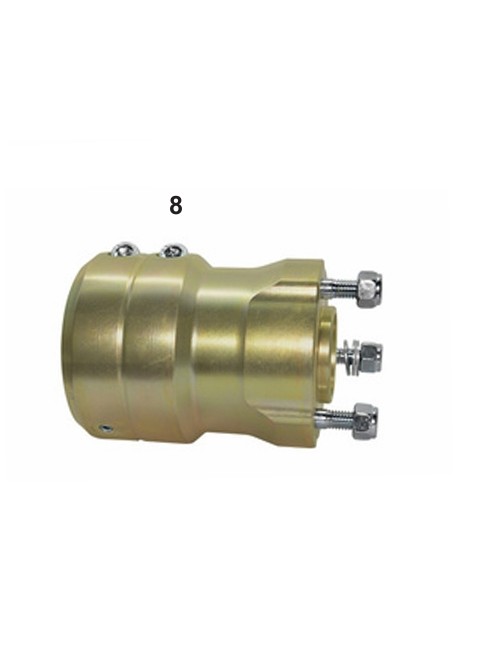
The hub of 85 mm is a "long" adjustment room. In karting, the choice of the hub length is directly related to the leverage exercised on the axle:
Stability and Grip: With 85 mm, you increase the rigidity of the rear train and removing the load outward. This is the ideal tool for more moving output output or to expand your back path without stacking spacers (which weakens the assembly).
R2.0 version: This name indicates an evolution of design at CRG (best machining, optimized weight and anodized finish "Gold" for higher resistance to corrosion).
The 95 mm in magnesium is an extreme room. This is not comfortable equipment, it is a precision tool for high-level drivers (KZ, OK, X30 senior categories).
The hub of 95 mm is one of the longest models available in the range CRG. In karting, the length of the hub is directly correlated to the "lever arm" applied to the axle:
Deported support: With 95 mm, you drop the load of the wheel outwardly. This helps to charge the rear train in support more, ideal for tracks where you miss moving out of turn.
Aluminum rigidity: Unlike magnesium, this aluminum version offers high structural stiffness and excellent durability, while being easier to maintain and less sensitive to oxidation. Finishing Gold (anodized) effectively protects the part against premature wear.
The 105 mm in magnesium is a high competition room. This is not a basic setting, it is a specific solution for specific needs:
Maximum lever arm: With 105 mm, you drop the load outward to load the outer rear tire. It is the absolute weapon when the kart is sorely lacking on the turn out of turn.
System "2 screws": In a length of 105 mm, a one-screw tightening would be insufficient and would create an imbalance. The system to 2 screws Allows you to distribute the tightening force over the entire length of the ring, ensuring a perfect maintenance on the axle without creating a single voltage point.
Magnesium (mg): It offers valuable weight gain on non-suspended masses and thermal dissipation that stabilizes the pressure of your tires during long finals.
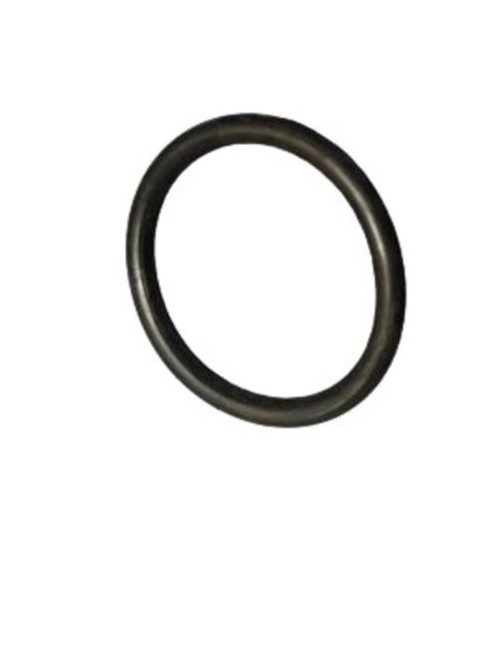
The Cylinder head gasket (Often called internal O-ring) is housed in the throat between the combustion dome and the cylinder (or cylinder head cover according to the versions). Its role is double and crucial:
Watertight to combustion: Prevent the gas burned under high pressure escape to the cooling circuit.
Liquid sealing: Prevent cooling water from seeping into the combustion chamber.
Made in Viton or high temperature polymer, it is designed to maintain its elastic properties despite extreme thermal cycles of the engine Kz-r1 / r2.
Product Comments
Your review appreciation cannot be sent
Report comment
Report sent
Your report cannot be sent