Français
 English
 Deutsch
 Español
 Italiano
 Português
 ελληνικά







Price
€6.89
Welcome to Magickart, the reference destination for all karting enthusiasts, leisure at the national competition. More than just a single store online, Magickart is the result of a field expertise dedicated to optimizing your chassis and your engine. All the universe of karting in one click
We have selected the best market references for you to guarantee reliability and chrono:
Chassis & accessories: Specialist OTK (Tony Kart, Kosmic, "wished), Birelart, CRG. Find our [Biellettes de direction], [Cales de train BSS] and our exclusive components like our [Palier de colonne alu à roulement intégré].
Motorization: A complete stock for your engines Rotax Max EVO, IME X30, and TM RACING (Kz / OK). Of the [Bougie Platine] at the smallest [Circlips de pignon], we have the room you need.
Pilot equipment: Roll safely with the style "factory" thanks to our ranges Sparco and Alpinestars.
The Expert Board: Each product is validated by our team. You have a doubt about a front train setting or a carburation? We are here to guide you.
Real stock & express delivery: Because a race does not wait, we ship your orders in 24 / 48h with rigorous monitoring.
Fidelity program: Each purchase on the site brings you points for your future engine revisions or tire trains.
Magickart: The passion for detail, the culture of the wins.
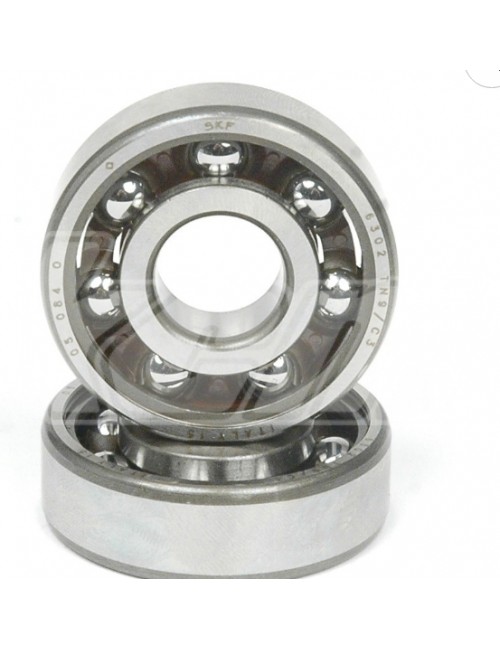
The SKF 6302 TN9 / C4 bearing (15 x 42 x 13 mm) pushes the technicality even further than version C3. It keeps the high performance polyamide cage (Tn9) that reduces friction and weight, but adopts a radial internal game C4 (more important than the C3). This specification is particularly popular with the motorists for the balancing and transmission shafts subjected to very strong thermal expansions or for the motor blocks whose machining requires maximum freedom of rotation.
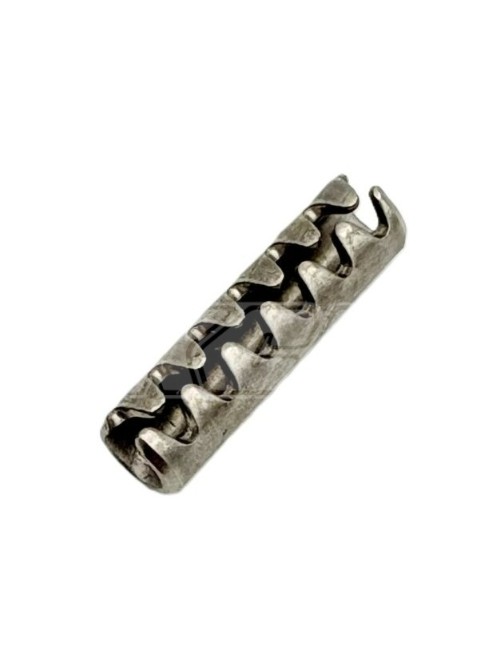
The Water pump (ref. 229470) is a small steel precision cylindrical pin. Its role is to ensure rigorous alignment between the motor housing and the water pump cover. A good alignment is crucial for the water pump shaft to be perfectly centered in its spite joints and its bearings, thus avoiding any premature wear or cooling liquid leak.
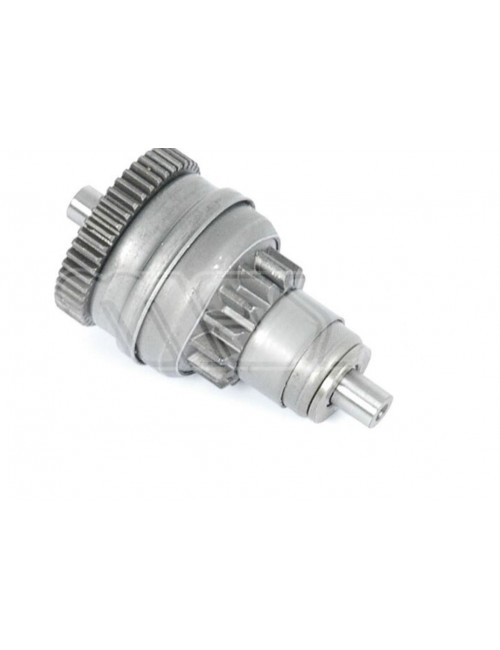
The Adaptable "multi-motor" launcher is a Bendix type mechanism designed to provide enlarged compatibility. Although it is not a part of the manufacturer origin (OEM), it scrupulously respects the mounting ratings of the most popular motors on the market (Rotax Max Iame X30, Vortex Rok). This is the preferred choice for leisure rolling or for training, making it possible to maintain its material in perfect working order without the cost of the original room.
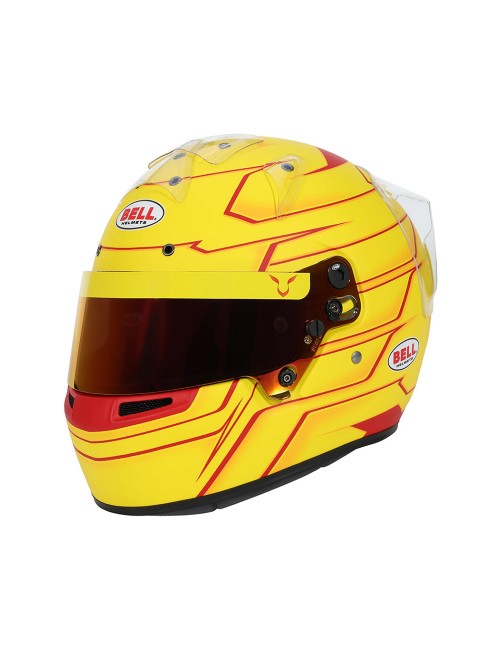
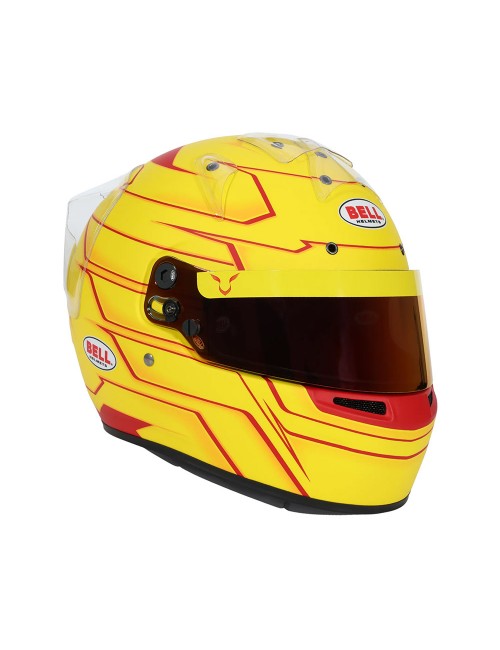
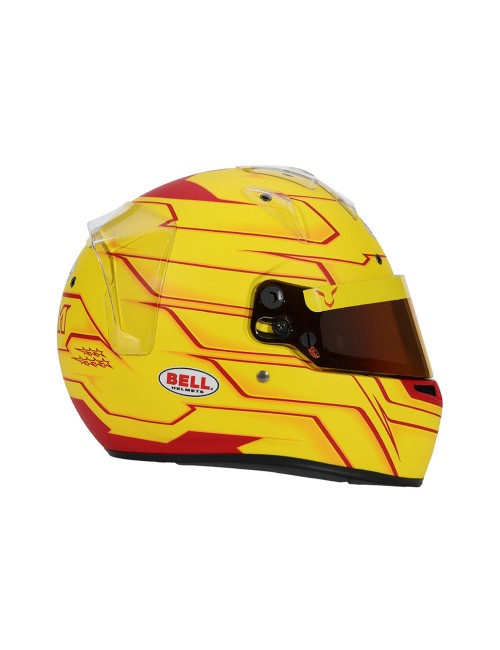
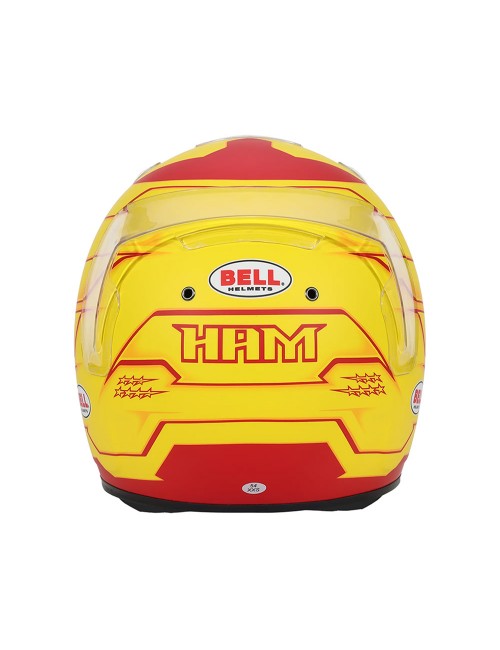
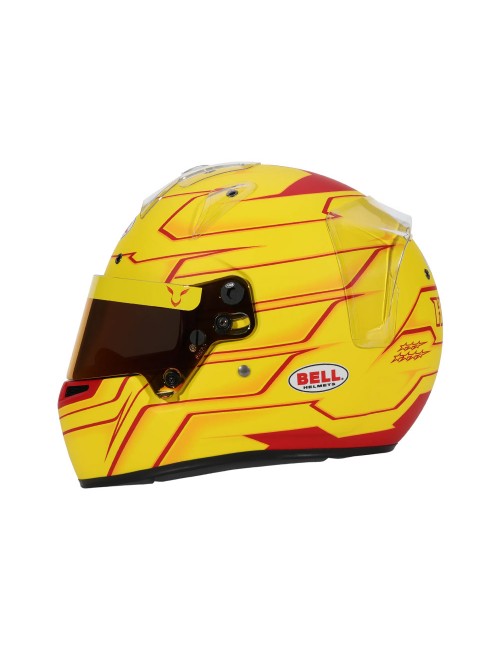
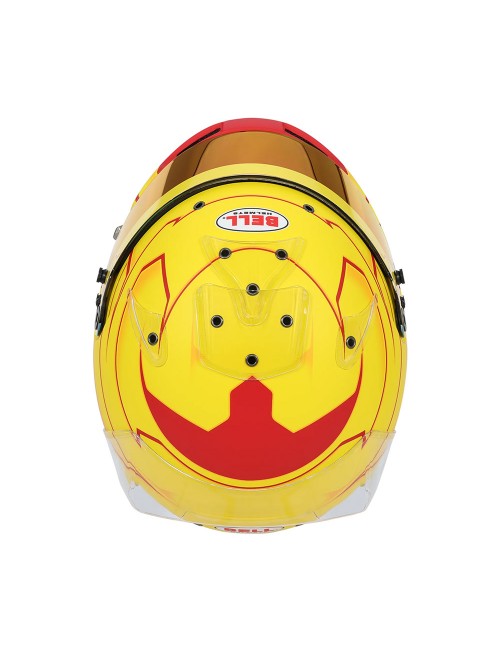
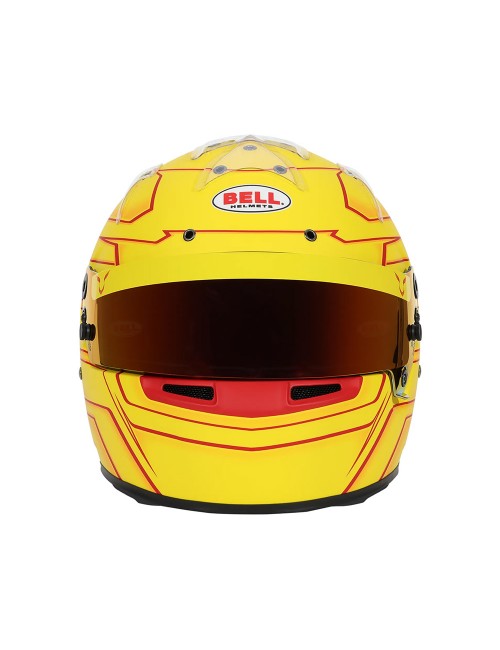
Fruit of a direct collaboration between Lewis Hamilton and the design team of Bell Racing, this helmet resumes the iconic graphics of the season 2026. Arborous a bright yellow Contrasting by dynamic red details, it allows young drivers to wear the colors of their idol with absolute graphical fidelity from the helmet of Formula 1.
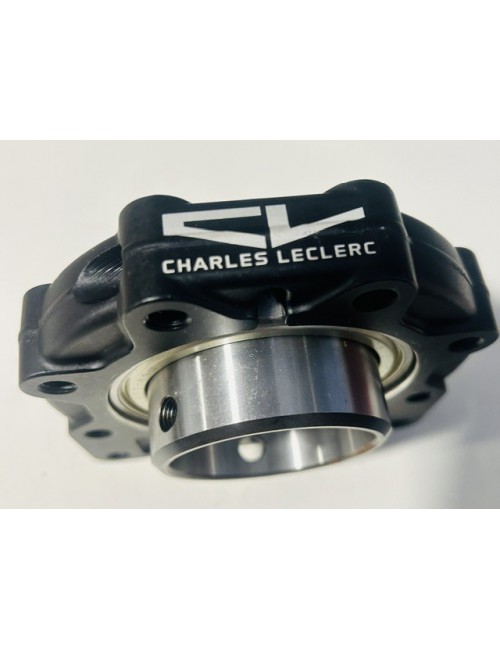
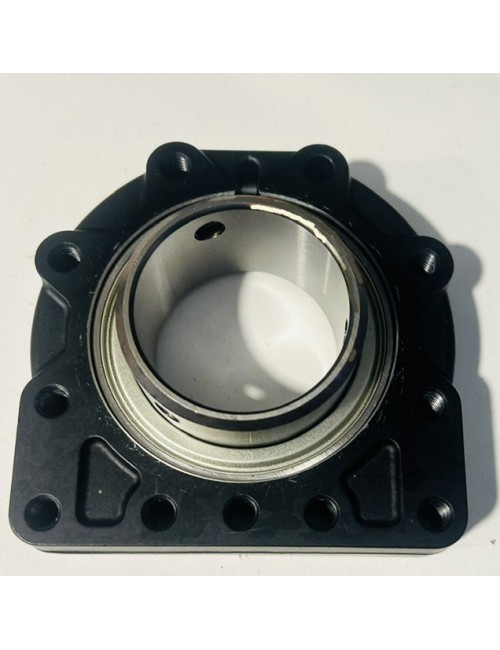
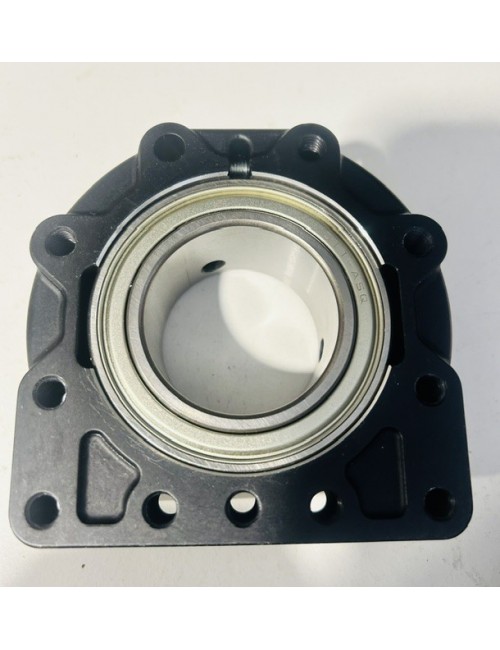
The HI-TECH TRECH ST5 is a centerpiece of the rear train of chassis Birelart ,Charles Leclerc and Ricciardo Kart. This kit includes high-strength aluminum support (bearing) and precision bearing.
The specificity "St5" Designates a performance-oriented design, providing rigorous retaining from the tree while allowing maximum freedom of rotation. Format 50/40 (80mm outer diameter / 50mm interior) is the standard for 50 mm shafts on gearbox (kz) or high performance frames.
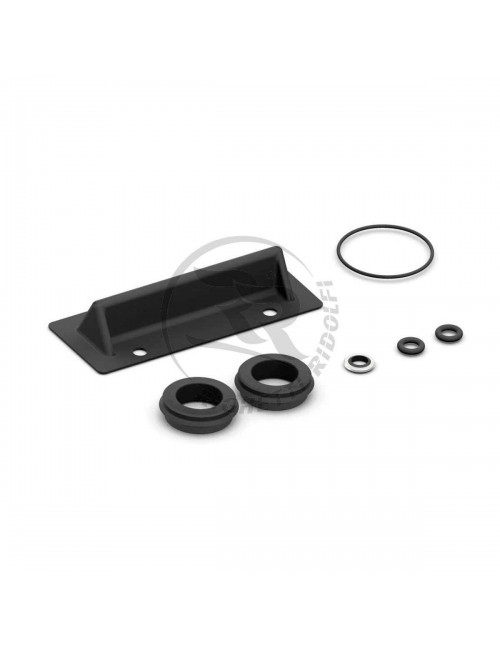
The Reference Kit Reference K382B is a set of precision components essential for the maintenance of the rear hydraulic braking system of the frames equipped with brakes RR. This kit is specifically designed for 2-piston stirrups, ensuring a return to original braking performance.
The maintenance of the braking system is a critical aspect of the mechanical preparation. With time and repeated heating cycles, rubber seals lose their elasticity and pistons can accumulate impurities, resulting in a loss of progressivity or seizure of the stirrup. This complete kit allows a total refurbishment of the internal sealing elements.
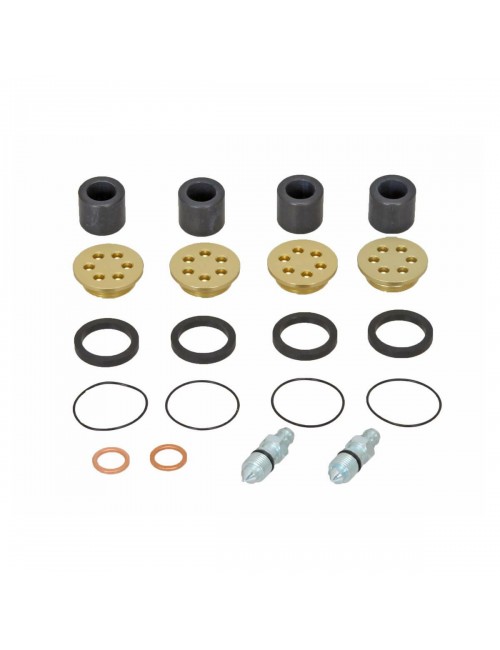
The Reference Kit Reference KB113-E2 is an essential technical maintenance set for the front braking system Speed E2. This kit helps restore all the hydraulic performance of the front brackets, ensuring a constant braking power and precise feeling at the pedal, essential for the curve entries in competition.
With constant exposure to high temperatures and track dust, the internal sealing elements undergo natural wear. Regular replacement of KB113-E2 kit components prevents the risk of leakage, seizure of "foam" pistles or pedal, thus ensuring maximum track safety.
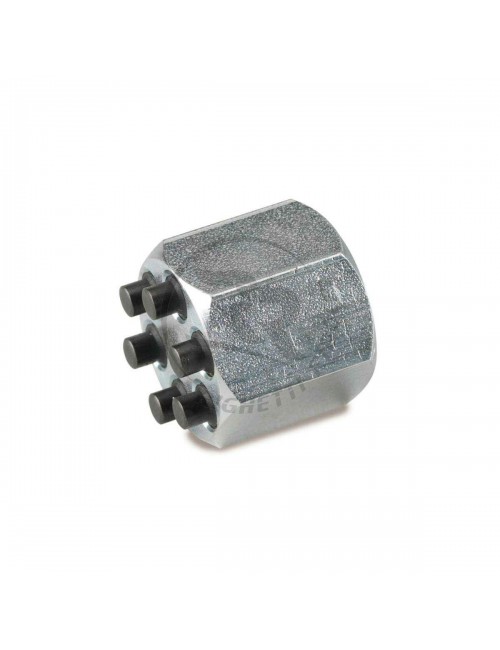
This specialized tool is designed exclusively for the extraction and maintenance of pistons on the KB100, KB101, KB110 and KB111 brake brake calipers. Unlike a standard DIY wheel wrench, this precision tool has lugs or geometry suitable for specific notches on the face of the Pistons of the MagickArt range.
The use of this professional tool makes it possible to intervene on the braking system without risking the internal cylinder of the caliper or to mark the contact surface of the piston. It is the essential accessory for performing a clean and fast hydraulic revision, ensuring the integrity of the Kart security components.
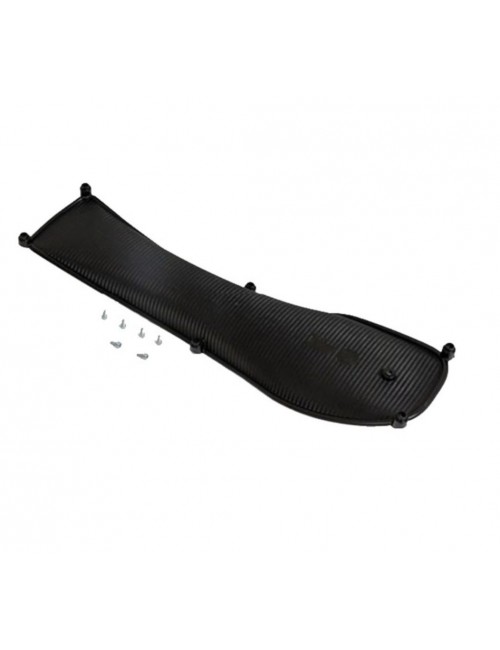
The model Kg 509 is one of the most emblematic and most used fairings in competition karting (including OK, KZ and Rotax). The lower part is the part that makes the junction between the front spoiler (bumper) and the upper part of the naser.
Made by KG Italy, world leader in Kart's bodywork, this part is designed with high density polypropylene. It ensures the rigidity of the frontal set while maintaining sufficient flexibility to absorb vibration and light impacts without breaking.
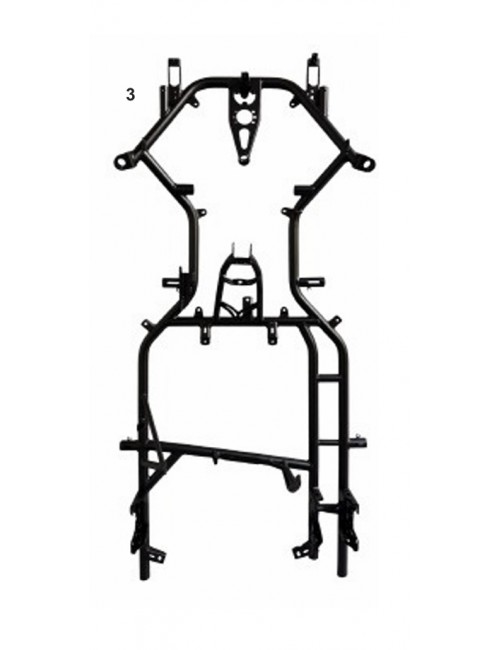
The CRG Kt2 is the versatile chassis par excellence of the Italian manufacturer. Unlike the Rébec Road (more rigid), the KT2 uses a frame compound full of tubes of 30 mm in diameter. This architecture offers controlled flexibility, ideal for freeing the engine in categories without gearbox like the OK, Iame X30 or the Rotax Max.
Its geometry allows fast adaptation to all track conditions (high grip or green track "). Featuring the last components of the range CRG RacingHe combines exceptional motor skills at a surgical front train accuracy.
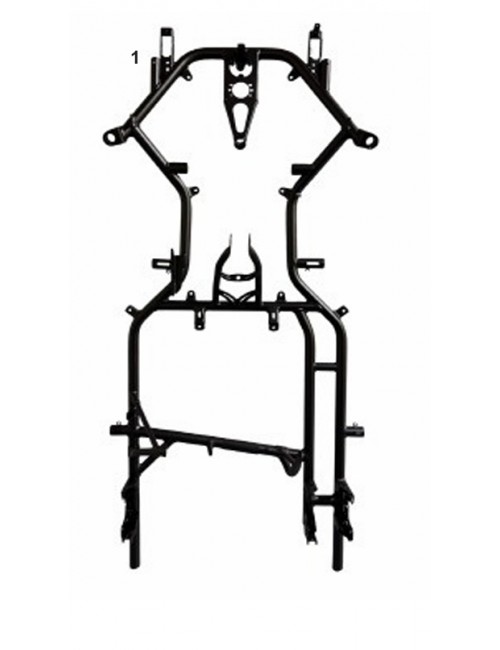
The CRG KT2 2026 Version Kz redefines the standards of the Queen category. While the Road Rebel (32mm) remains the choice for the tracks with very high grip, the KT2 in 30mm Has become the favorite weapon of Kz pilots looking for more agility and ease in the support changes.
For 2026, CRG Reworked the composition of chrome-molybdenum steel to provide a better response from the front train during degressive braking. This KZ version stands out for its localized structural reinforcements and its integral front / rear braking system, essential to stop the power of 50 horsepower engines
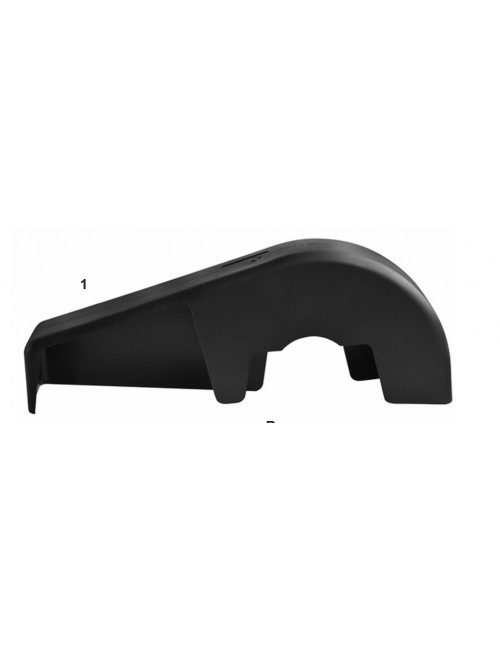
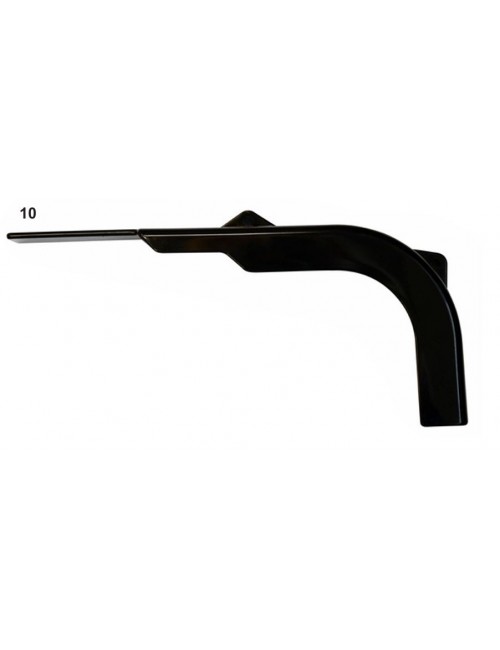
The Full String Carry CRG For Direct Drive engines (DD) is a mandatory security element in competition. Unlike partial models, this fairing fully envelops the chain and the crown, avoiding any grease projection on the driver or the rear gear, and protecting the mechanics of external debris.
By choosing this original room CRGYou make a perfect fit with the brackets of your chassis, avoiding parasitic friction and ensuring superior durability in the intense vibration of the engine.
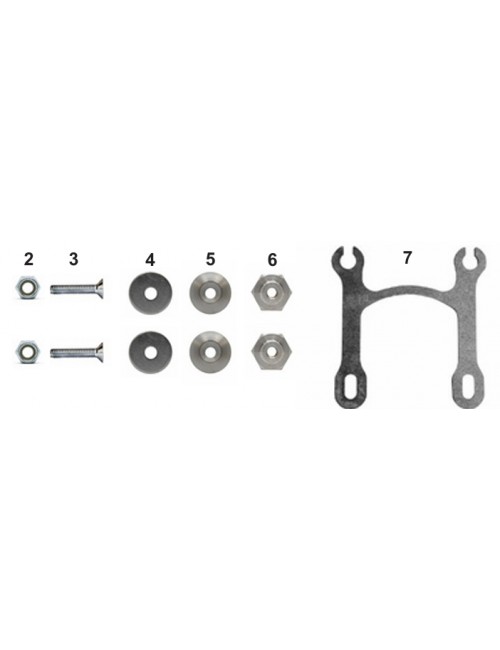
On a minimum chassis (minimal / cadet), the vibrations of the motor (often a swift ion or a Rotax Micro / mini) are important. The Fixing kit for string CRG is specifically dimensioned for the mini frame. It allows to suspend the integral stringholder so that it follows the motor movements without coming into contact with the rotating elements.
Using these Original parts CRGYou avoid "house" montages that often end up loosening or breaking the plastic of the chainworm following a misalignment.
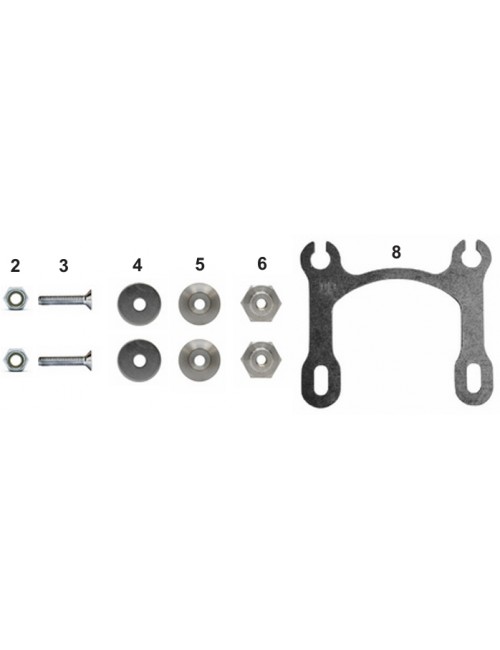
The system of GLM fixation is specifically studied for engines Direct Drive (DD) such as the Rotax Max, Iame X30 or Ok-Junior on Chassis CRG. This kit allows you to firmly hold the chainworm in place while offering a setting range needed to adapt to different crown sizes.
By choosing these Original parts CRGYou avoid excessive vibrations that could result in the rupture of the plastic carrier or, worse, a dangerous contact with the moving chain.
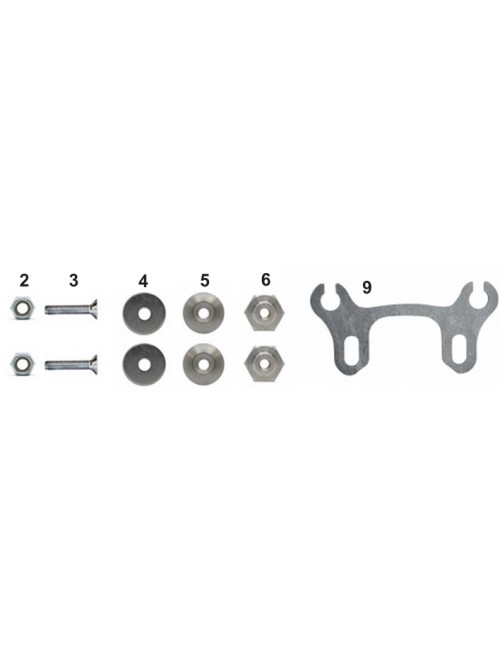
In the category KZ (125cc with box), the time spent in the stands between the sleeves is precious. The system GLM to fast disassembly at CRG Has been designed to allow mechanics to remove chain protection in seconds, without complex tools, thereby facilitating gears or lubrication of the chain.
Specifically remote for not interfering with the gearbox control, this kit of Original parts CRG Combines structural robustness and racing ergonomics. It ensures that your chain barrier remains perfectly aligned, even under the extreme vibrations of 50 horsepower engines.
In the queen category Kz, every second counts, whether on the track or during the mechanical assistances between two sleeves. The KZ String Carrier CRG quick-up has been specifically developed for drivers and mechanics that require total accessibility without compromising on security.
Thanks to its innovative fixing system, this chain firewall removes and go back in a wink, allowing to check the string voltage, change gear or grease the transmission without loss of time. As Original room CRGHe scrupulously respects the CIK-FIA safety standards while integrating perfectly with the aesthetics "Racing" of the brand.
In the category KZ (125cc with box), the time spent in the stands between the sleeves is precious. The system KZ to fast disassembly at CRG Has been designed to allow mechanics to remove chain protection in seconds, without complex tools, thereby facilitating the gears changes, the voltage setting or cleaning the transmission.
Specifically remote for not interfering with the gearbox and clutch control, this kit of Original parts CRG Combines structural robustness and racing ergonomics. It ensures that your chain barrier remains perfectly aligned, even under the extreme constraints and vibrations of 50 horsepower engines.
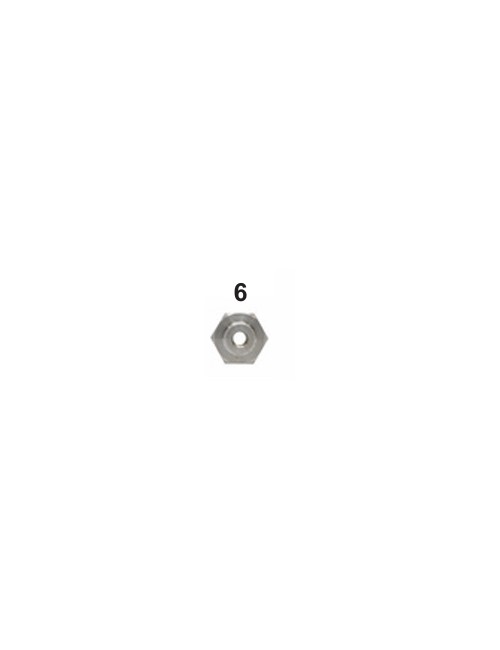
This stink CRG is the locking piece used to attach the metal carrier to the chassis (often spotted No. 6 on the technical bursts). Although it looks like a classic nut, it is designed with a Embase (Collerette) integrated that replaces the use of a simple washer.
Its role is fundamental: it ensures that the carrier support remains perfectly motionless despite the intense vibrations of the engine. Loose attachment at this level can cause noise noise, premature wear of the plastic carrier, or even a case of the metal support.
This m6 cuvette washer is not a simple washer. It is designed to perfectly marry the shape of the screw head (often milled) and slightly fit into the plastic of the chain.
Using this original room CRG, You prevent the screw head from crossing or cracking the chain worker under the effect of vibrations. It is the secret of clean mounting that holds in time, without the plastic ending up crumbling around the fixing points.
The M6x30 screw with milled head is the centerpiece that keeps your string. Unlike a cylindrical head screw, its conical shape allows the head to lodge perfectly in the bowl washer (your masked m6 washer previously seen).
Using this screw CRGYou make sure nothing exceeds the chain worm, avoiding any risk of attachment. It is this detail that separates a "tinker" mounting with a "factory" mounting.
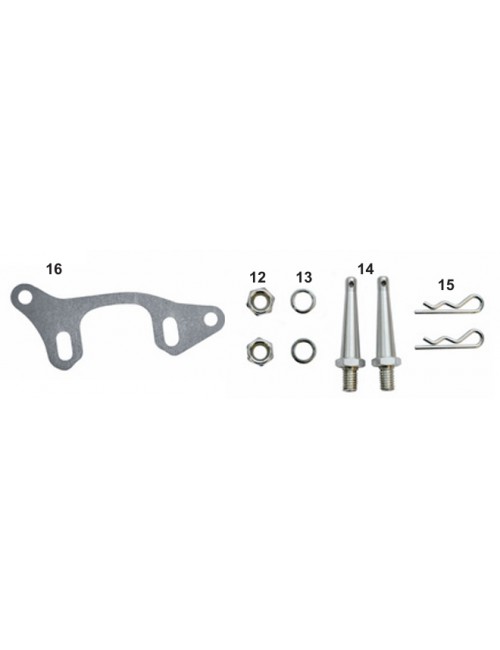
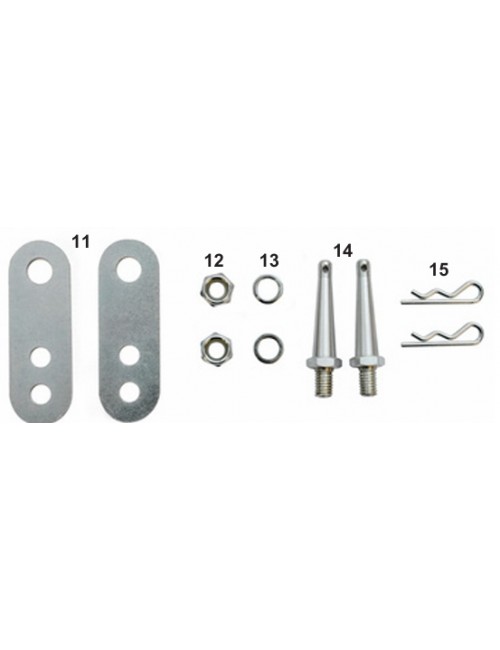
This pivot is the room on which your system worker comes to lodge. It screws directly on the engine support or chassis. The upper, breakthrough, is designed to accommodate a Pin clips (R-clip).
It is this ingenuity that allows to remove the chain housing in a few seconds without tools, once the clip removed. As CRG GENUINE PARTSThis pivot is machined in a specific steel that guarantees that it will not bend, even if you touch the housing during a running incident or track output.