Français
 English
 Deutsch
 Espagnol
 Italiano
 Portuguès
 ελληνικά

Optimize the braking of your kart with the original Birelart brake pump. Certified piece for maximum precision and safety in competition. Fast delivery on Magickart.
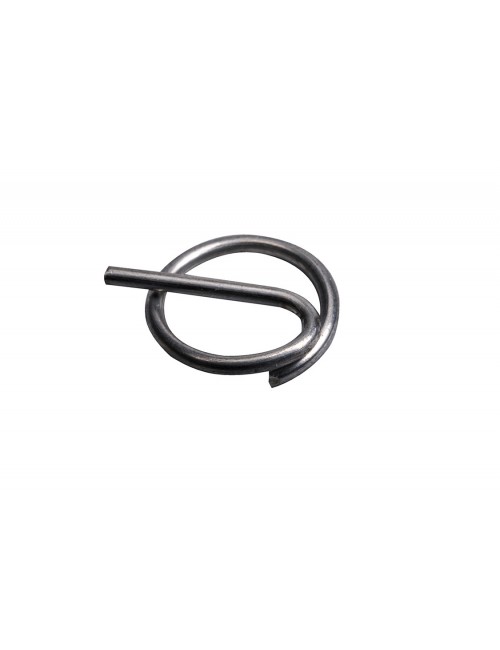
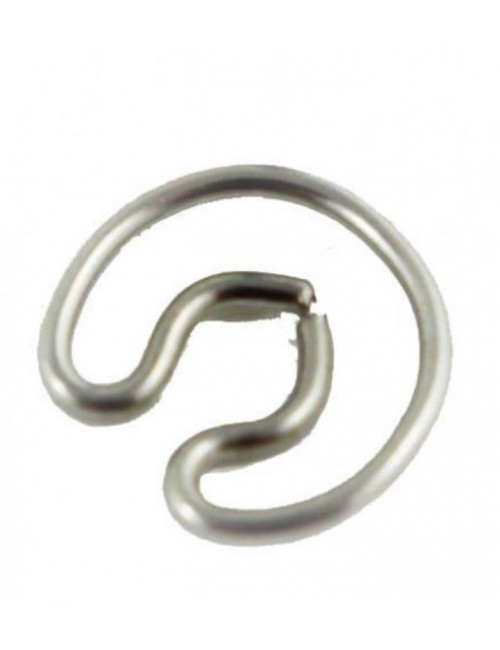
The Circlip Birelart is a critical safety piece for your braking system. Its role is to lock the axis that crosses the brake pads inside the stirrup. Without it, the intense vibrations of karting could slide the axis, resulting in the loss of the pads and a total braking failure.
Made of high quality spring steel, this "wire" circlip has a calibrated voltage to stay lodged in the throat of the axis, even under the most severe constraints encountered in competition.
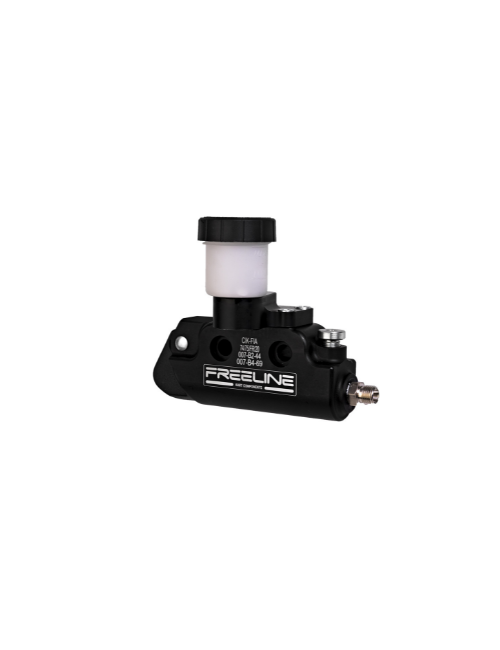
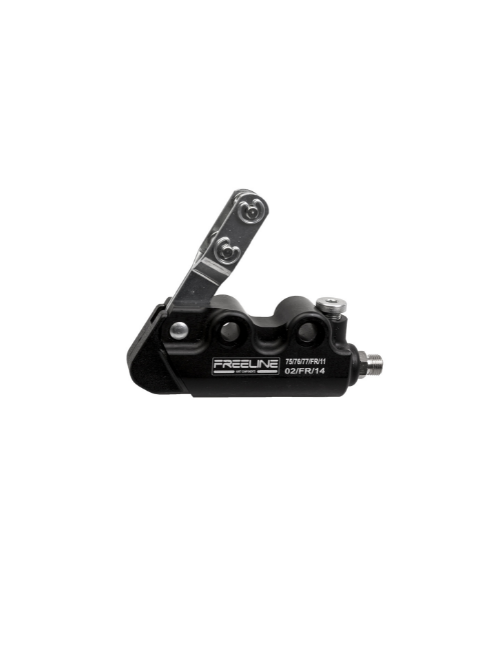
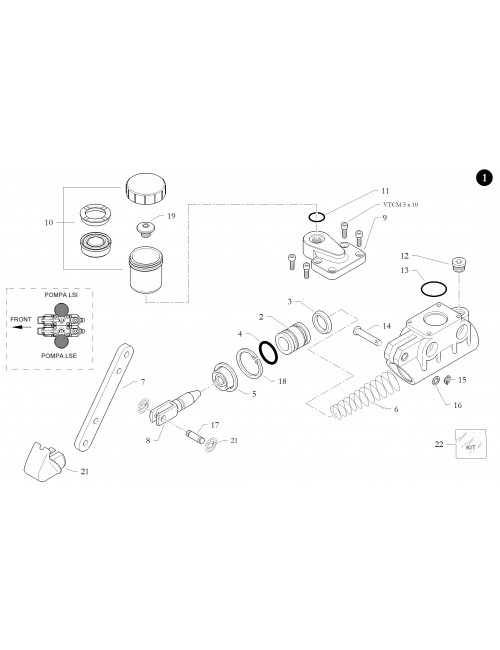
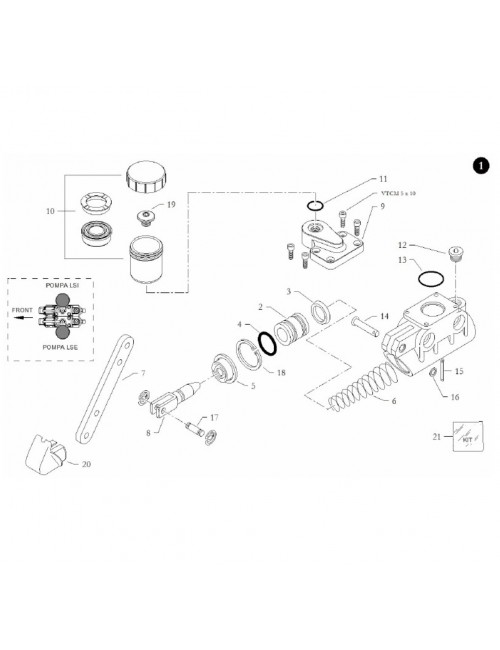
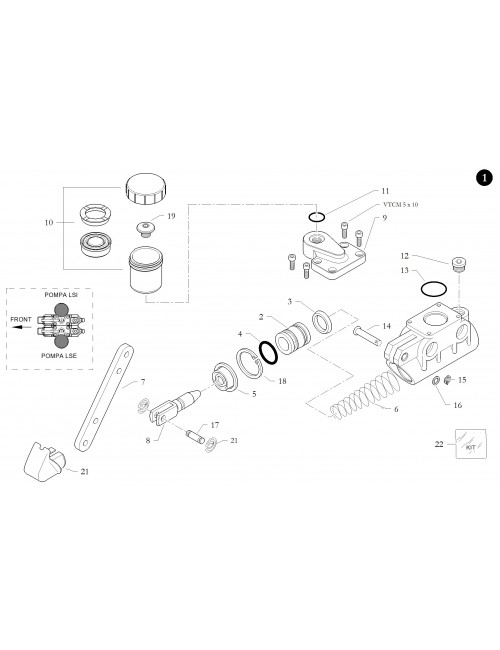
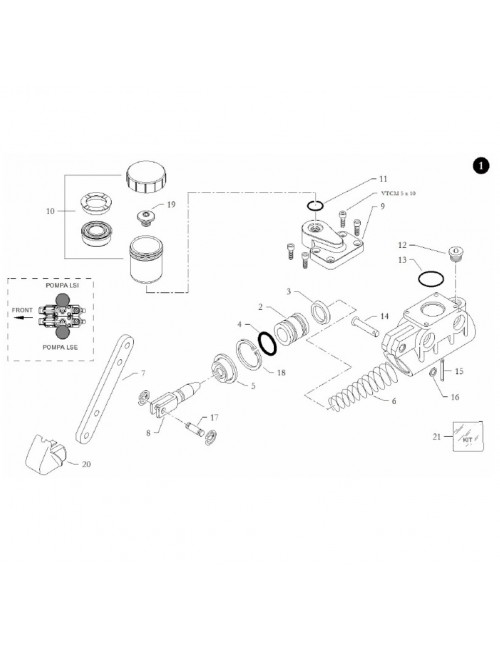
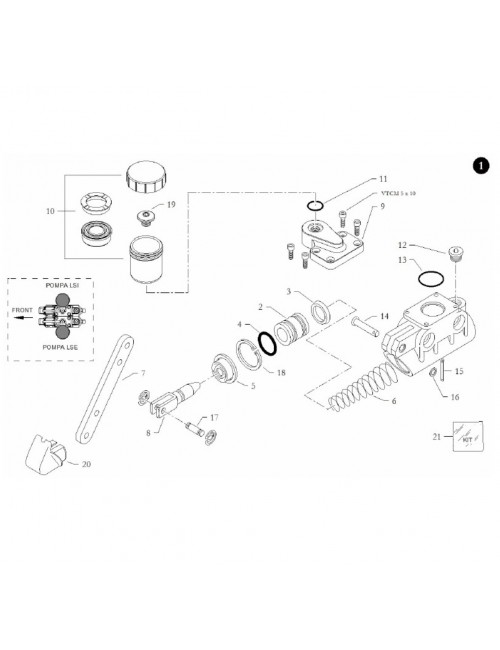
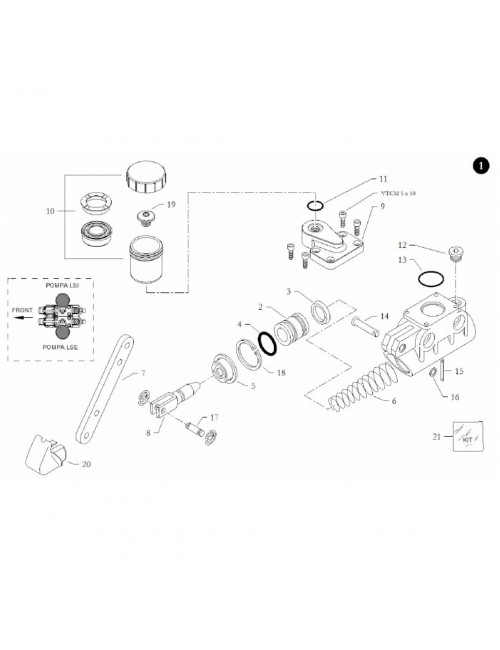
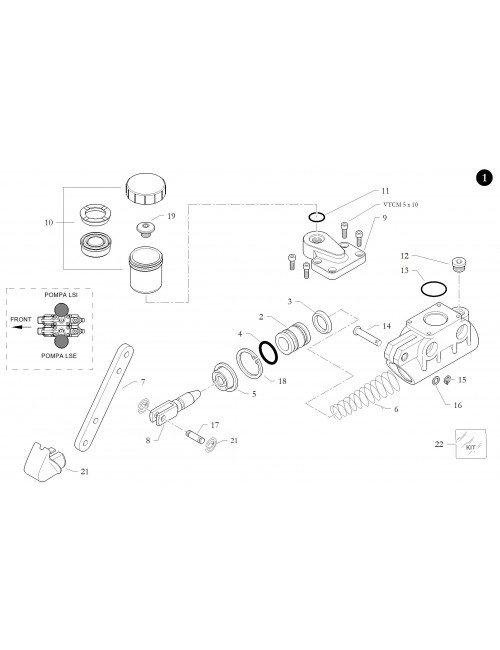
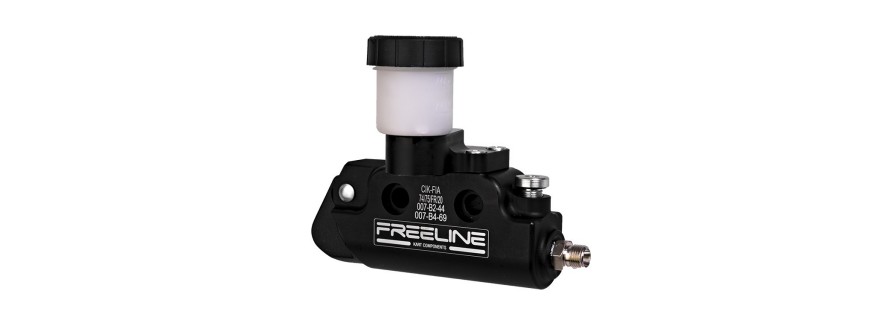
The FREELINE DIAM 22 brake pump complete Birelart - CL is an essential component for Karts, designed and manufactured by Birelart in Italy to provide optimal performance and increased durability. This brake pump is specially adapted for KZ or KF type karts and is compatible with Charles Leclerc, RicCardo, Kubica and LGK Birelart chassis. It is ideal for pilots seeking to improve the performance and reliability of their braking system.
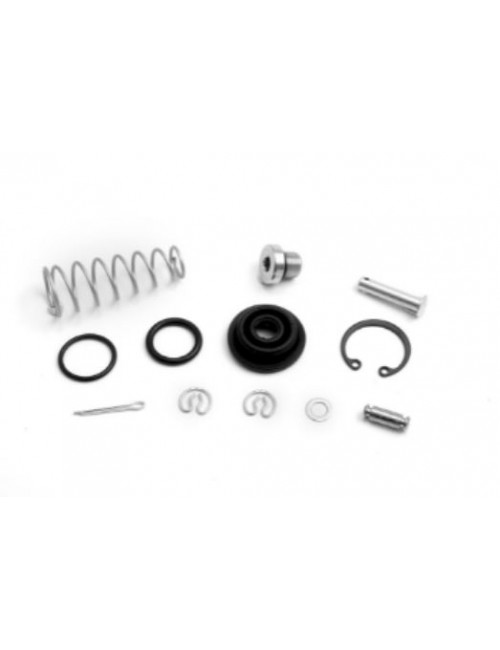
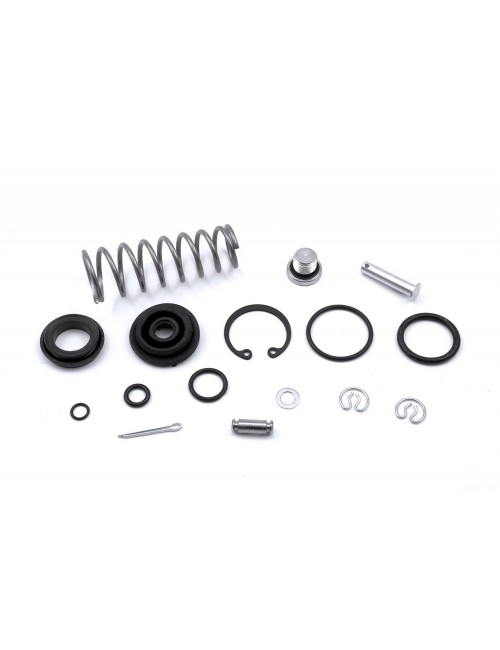
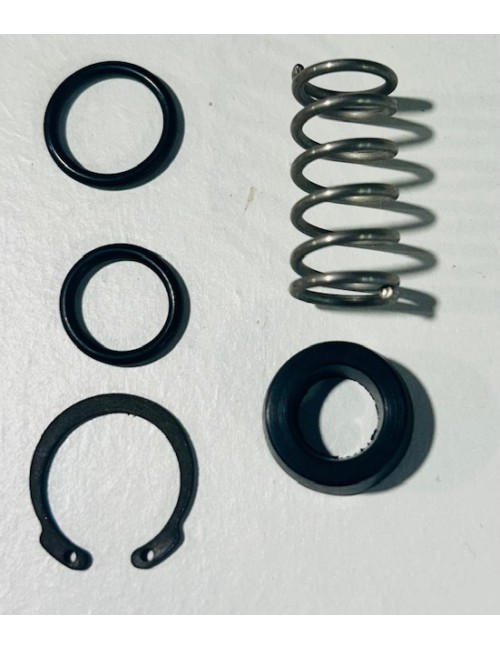
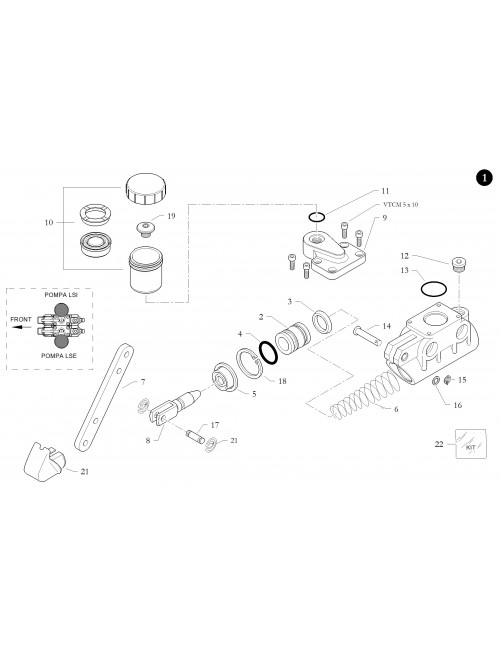
The Revision kit for diameter brake pump 19 mm is a complete set of original repackaging (Original Freeline Racing Parts). It is essential for restoring absolute sealing, hydraulic pressure and reactivity of your rear brake master cylinder or 19 mm.
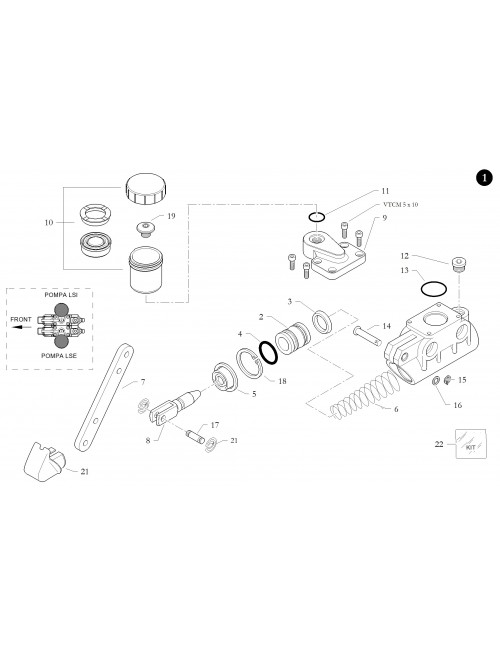
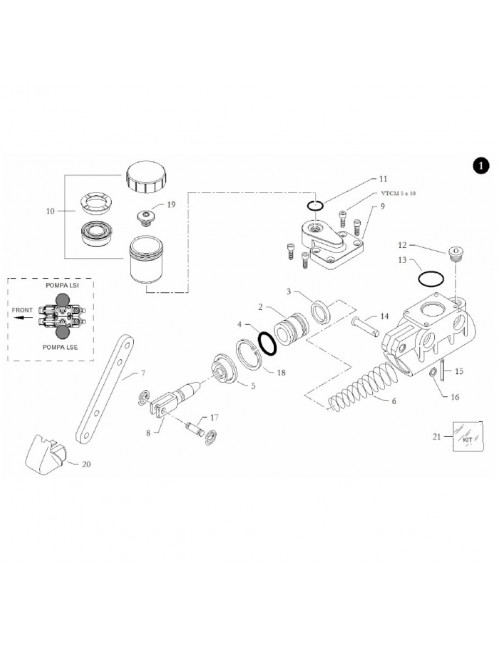
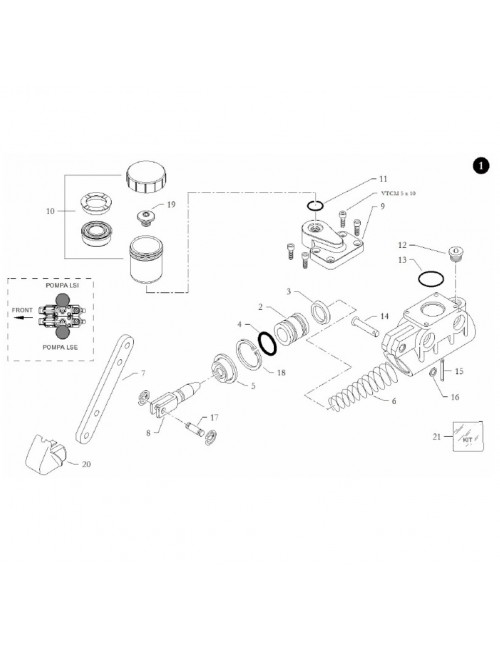
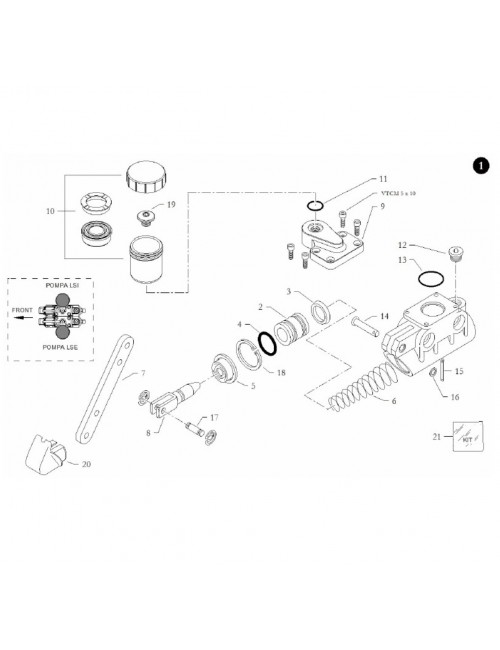
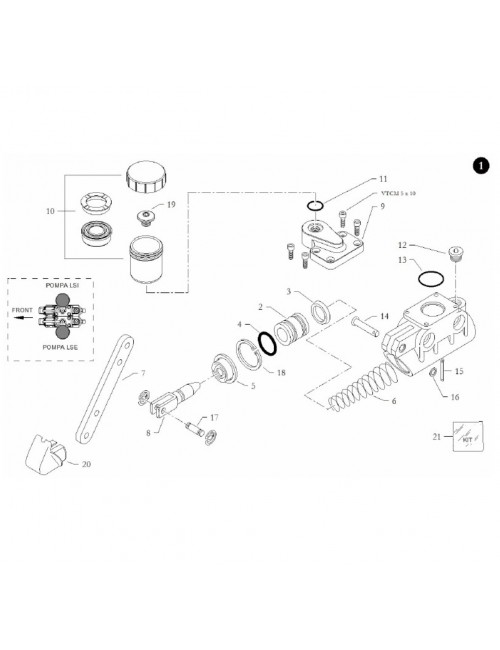
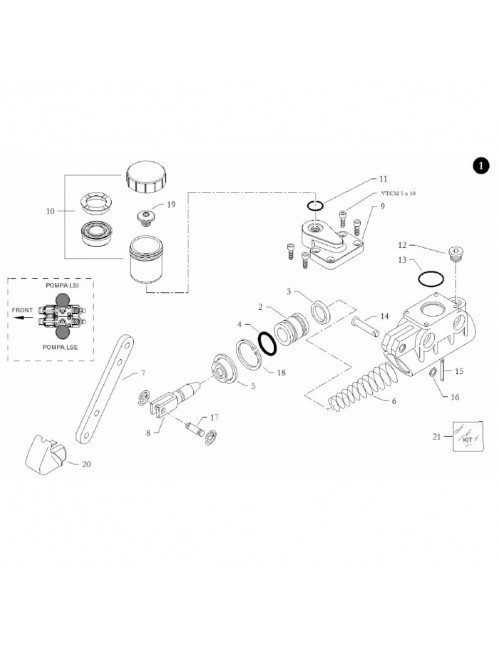
As shown in detail the reference photo 12856.jpgThis all-in-one kit brings together all the hardware and internal wear parts necessary for professional refurbishment. Rather than replacing a complete master cylinder, this package of factory parts allows you to eliminate pressure losses, liquid leaks at the pedal and the phenomenon of "spongy pedal" that spoil your chronos on the track.
Do not replace the seals one by one if your pump is "spongy". The complete kit allows you to leave on a healthy basis.
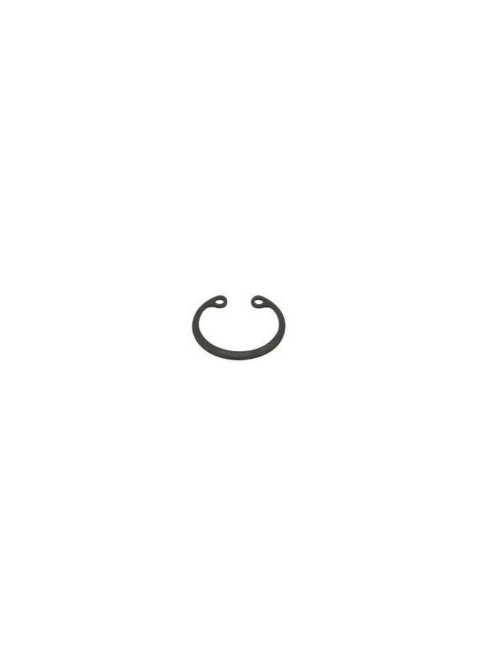
Type content: The kit generally includes the piston, the primary cup, the secondary cup, the O-rings, the maintenance circlips and sometimes the protective bellows.
When to use it: As soon as you see a loss of constant pressure, an internal leak (the pedal drops gently under pressure), or after a long wintering where the liquid could crystallize.
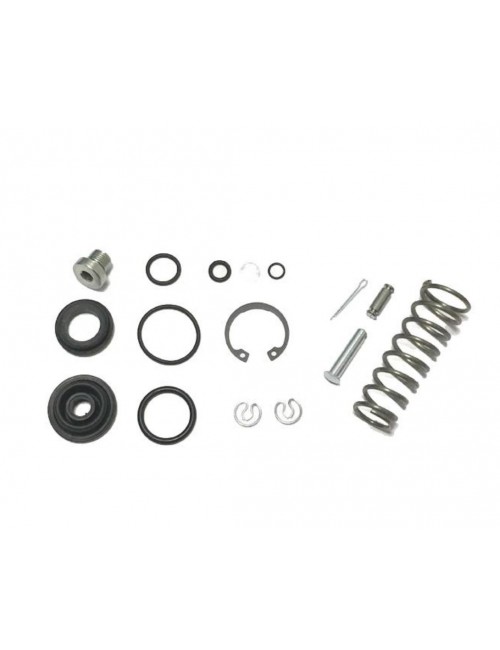
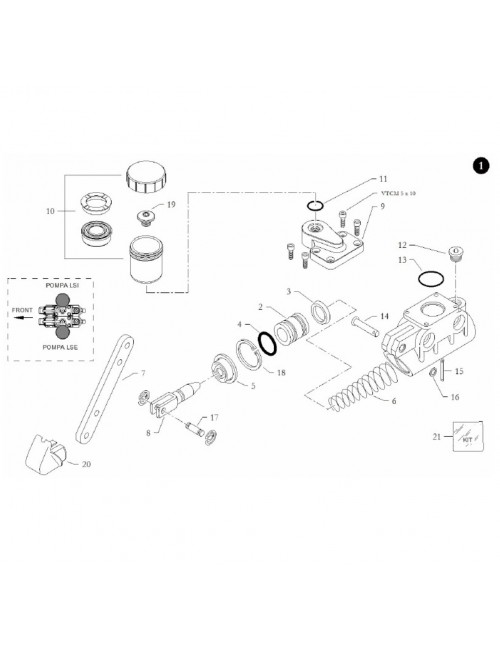
The Revision Kit for Cylinder 16mrr is a hydraulic reconditioning set of origin manufacturer (Original Freeline / Birel Art). This targeted kit makes it possible to renovate the 16 mm diameter brake pump system (MRR model), usually used on the front braking systems of gearbox karts (Kz) or on some specific rear systems of the group Birel Art.
As highlighted the reference image 13479.jpgThis technical bag precisely contains internal wear parts subject to repeated friction and chemical aggression of the brake fluid. Periodic replacement of these components eliminates internal pressure losses, deleting liquid leaks at the pedal linkage and restoring a firm and accurate attack to your hydraulic system.
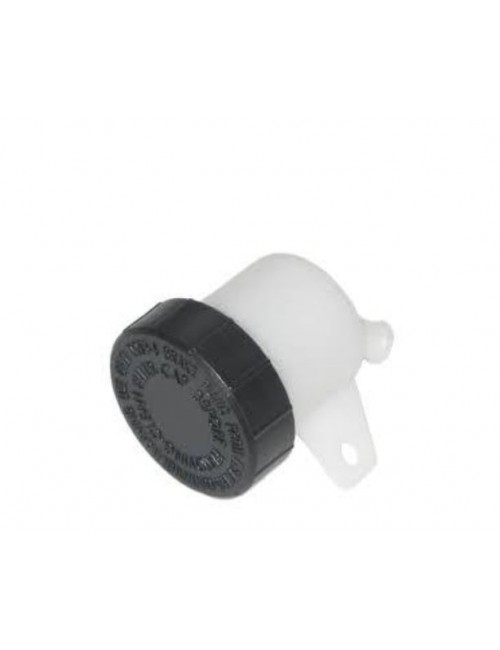
The Liquid tank for brake pump 22SR is a spare part of origin manufacturer (Original Freeline / Birel Art). This jar is specially designed to power the master cylinder (brake pump) model 22SR that equips the braking system of the group competition chassis Birel
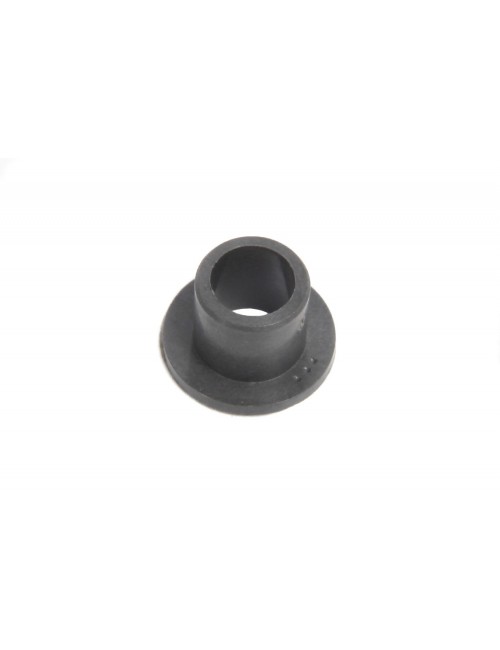
In your Birelart brake pump, this ring is the main pivot point between the control lever and the thrust rod. Its function is twofold:
Eliminate the game: It allows a "fat" movement without sidebeat. Without it, your brake pedal will have an unpleasant dead race ("blur" effect).
Self-lubrication: Generally composed of sintered bronze impregnated with oil, it is designed to operate "dry" or with a minimum of lubricant, thus preventing the premature wear of the steel pivot axis against the aluminum of the lever
The 22SR pump cover fills three critical functions:
Protection against contaminants: The brake fluid (dot 4 or 5.1) is hygroscopic (it absorbs the moisture of the air). The lid, associated with its internal membrane, prevents water from polluting the fluid.
Level maintaining: It secures the tank against projections during major vibrations of the kart.
Management of depression: The internal membrane (often associated with the lid) allows the level of liquid to decrease as the platelet wear without creating a vacuum of air in the tank.
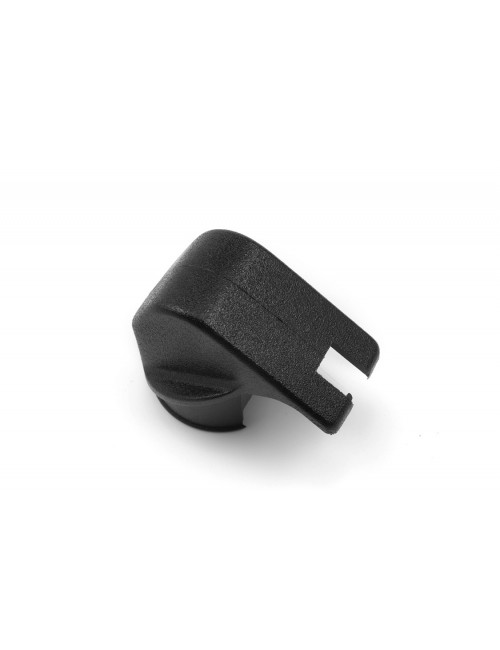
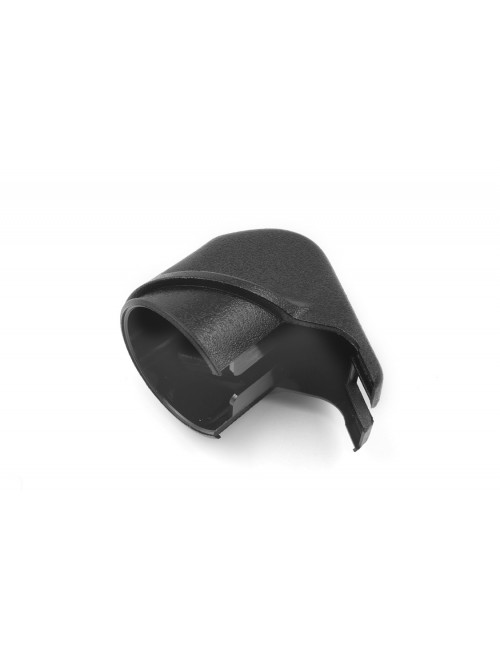
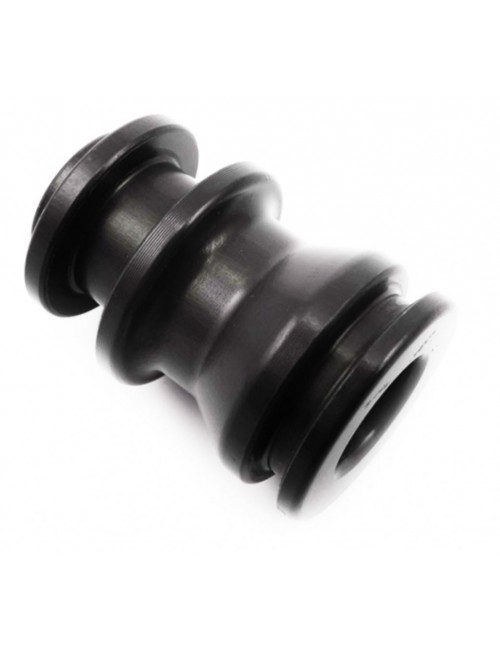
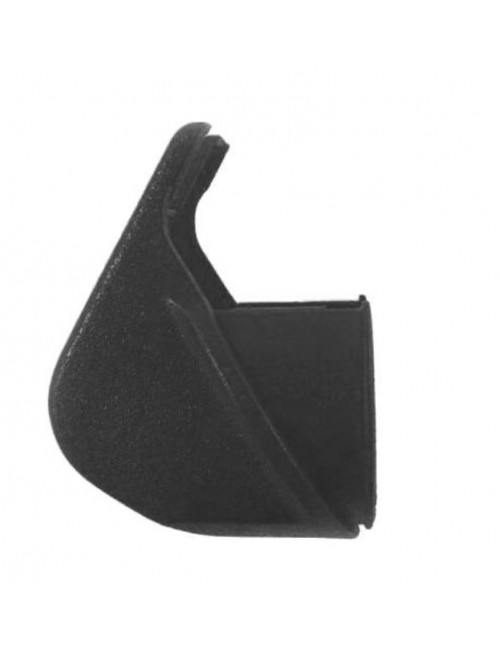
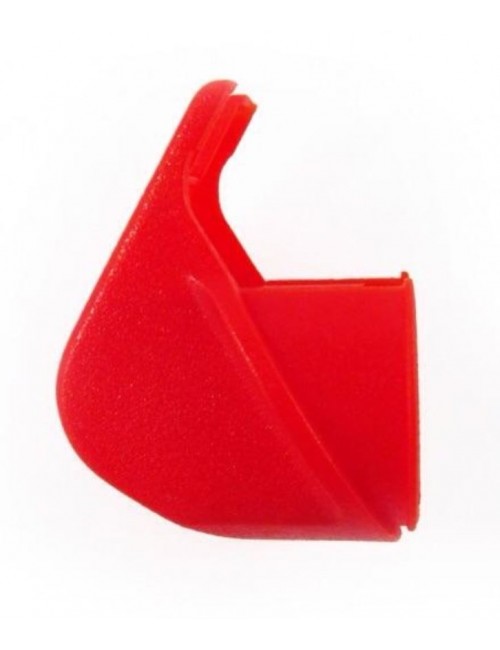
This cap (or bellows) is not just a piece of rubber. He plays a crucial role:
Anti-contaminant barrier: It prevents track dust, sand and water to enter the body of the pump.
Protection of the axis: If dirt enter here, they mix with fat, creating an abrasive paste that will scratch the piston and destroy your internal seals.
Maintaining the lubricant: It keeps the clean fat inside the mechanism of the thrust rod.
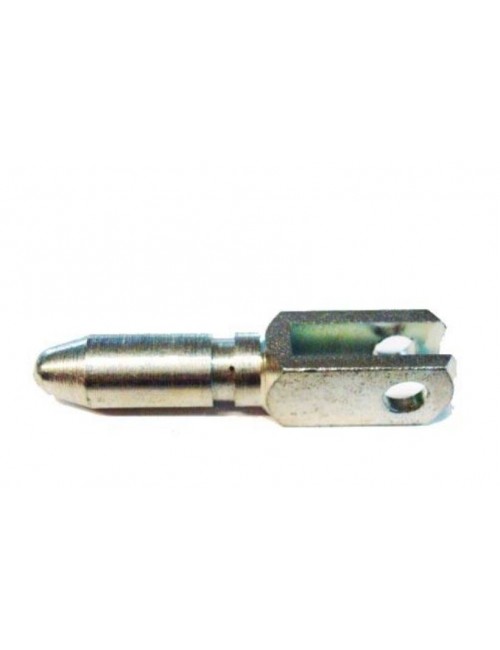
The Brake pump axle fork is a detached part of the manufacturer's original security (Original Freeline / Birel Art). This mechanical high-strength steel mechanical element ensures the direct and critical connection between your linkage (brake rod connected to the pedal) and the internal piston of your master cylinder (brake pump).
As illustrated on the reference image 12831.jpgThis part consists of a machined cylindrical portion that fits side pump and an openwork U-shaped clevis allowing the passage of the link link. Designed to endure repeated and extremely violent braking pressures, its original manufacture guarantees perfect bore tolerances for Eliminate any parasitic game in the pedal, offering the driver a specific feeling and an optimal dosage during the deceleration phases.
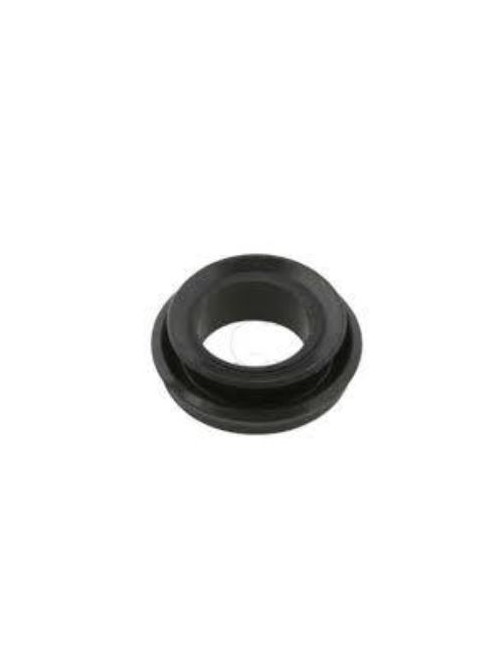
The cup (or lip seal) is a wear part. Its role is to transform the pressure exerted by your foot into hydraulic pressure into the pipes.
Symptoms of fatigue: "Spongy" pedal (which goes down to the floor), liquid leakage at the bellows (cap), or braking loss during high heat phases.
The material: These joints are EPDM (ethylene-propylene-diene monomer) to withstand the brake fluid. NEVER USE STANDARD JOINTS Hardware stores, they will disguise in a few minutes in contact with the liquid.
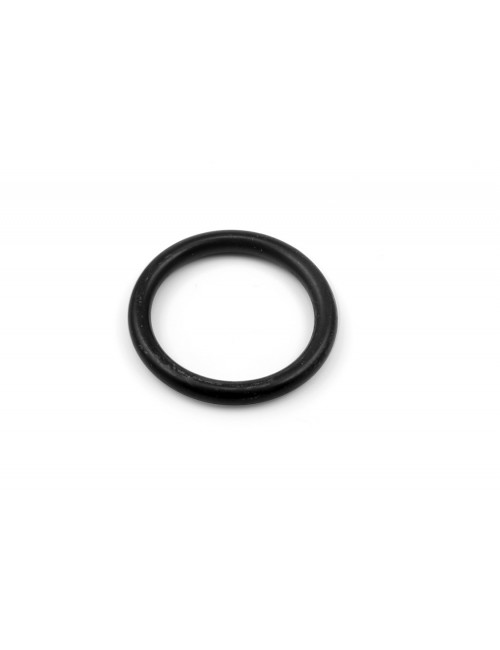
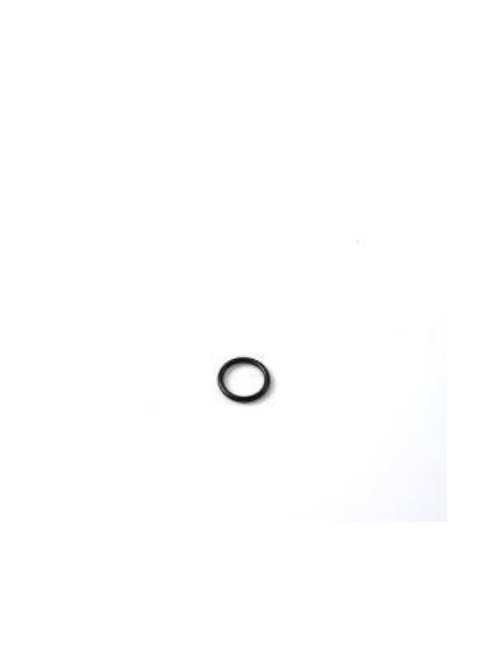
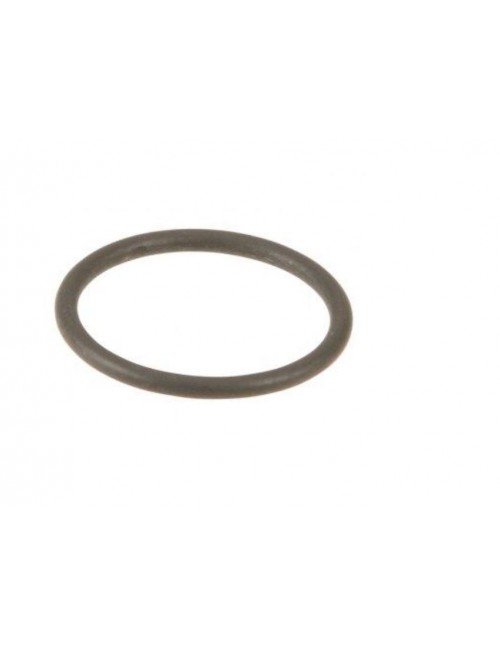
On a 22SRR pump, you find O-rings at different locations (tank hose entrance, fill cap, sometimes as guiding joints).
The most important point: The material. The seals used in hydraulic braking must imperatively be in EPDM (ethylene-propylene).
The danger: If you are using a "standard" O-ring (often in NBR / black nitrile bought in DIY store), it will swell, disintegrate and pollute your circuit in less than a few hours in contact with the Brake fluid DOT 4 /5.1.
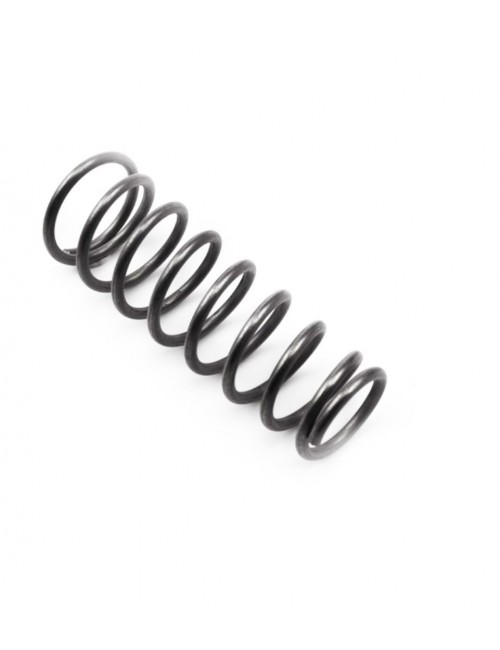
Although it is a simple room, the internal spring of the 22SR pump filled a major safety function:
Return of the piston: It guarantees that the piston returns to the "rest" position after each braking. If the piston does not return completely, the circuit does not fulfill correctly by the tank, creating a soft pedal or braking that "drag" (drives that heat).
Maintaining pressure: It ensures a constant pre-load for the joints (cups) remain in place.
Reactivity: It allows the pedal to go back immediately as soon as you relax the foot.
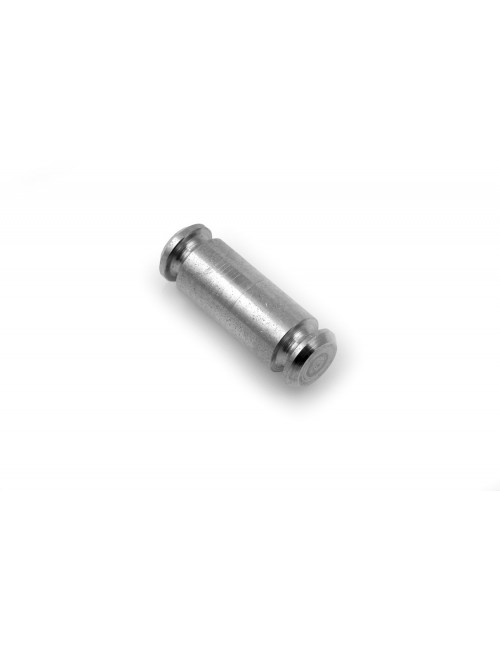
On your 22SRR pump, the "pin" (pin or pivot axle) of 5x15mm is the piece that undergoes shear forces at each braking.
Function: It serves as a hinge for the lever that operates the piston of the pump.
Why a specific room? Unlike a metal rod cut at the right time, this pine is in Treated steel (tempered). If you are using a "soft" stem of hardware, it will dig and deform in a few tours, creating an important game in your pedal (the famous "blur" at the beginning of the race).
The 22SR EVO piston is a precision piece. Unlike appearances, it's not just a metal cylinder. It is machined with extremely low tolerances to allow the joints (cups) to slide without flee while generating a constant hydraulic pressure.
The evolution "EVO": It guarantees a surface finish (polishing) optimized to reduce friction and increase the lifetime of the cups.
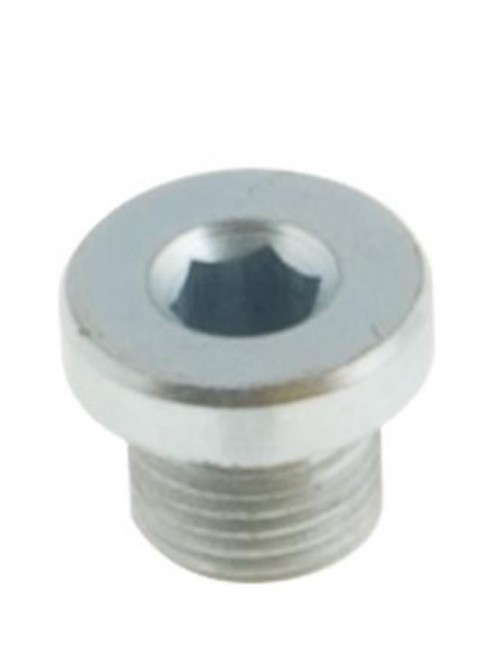
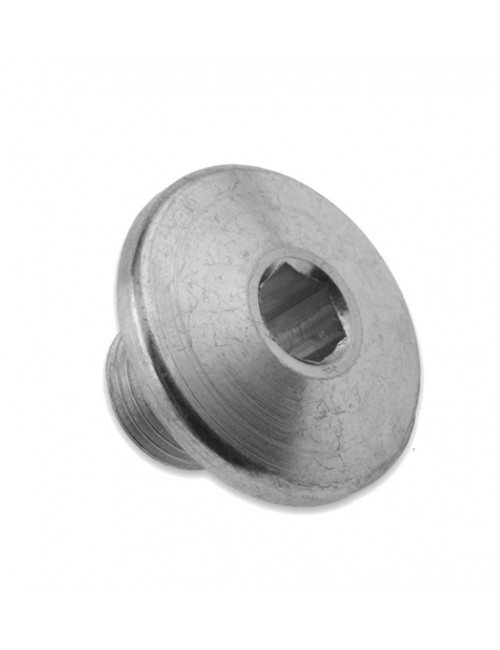
The cap is not just a lid. It fulfills three essential missions for safety:
Sealing: It prevents the brake fluid (corrosive) from escaping, especially during high track vibrations.
Protection: It isolates the brake fluid (which is hygroscopic, that is to say it absorbs moisture) from the ambient air. Water in the liquid is the enemy n ° 1 of the braking (risk of vapor lock / air bubbles).
Pressure compensation: Most Birelart plugs incorporate a free launching system (or via a membrane) that allows the level of liquid to drop when the pads wear away without creating a vacuum of air in the tank.
The tank is screwed into the body of the pump. Between these two rooms is an O-ring (O-Ring) or a sealing washer that does all the work.
The role of fixing: Hold the tank integral with the pump while ensuring perfect sealing to prevent air from being sucked into the circuit during the pumping phase.
Fragility: The tank threaded tip is often plastic. If you force too much, you risk breaking plastic in The body of the pump (very difficult to extract).